
REVIEW · PHUKET SNORKELING & DIVING
Scuba Diving Kata Beach Night Dive for Certified Divers
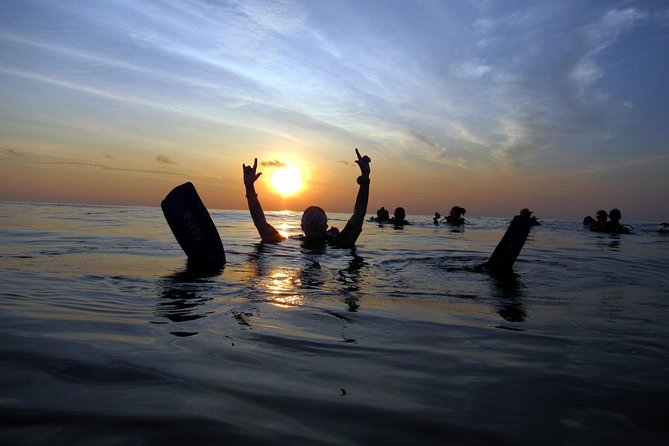
Night scuba turns Kata into a critter factory. At Kata Beach, you get a close-up view of macro life right off the shore, and the night timing adds behavior you simply do not see at midday. It is also a standout choice if you want serious small-animal photography without paying for long, crowded boat days.
I like how this is set up for certified scuba people who already know their buoyancy basics. I also like that the shop includes a 12L cylinder with weights and a weight belt, so you can keep your planning simpler and focus on enjoying the water. Guides such as Sky earn real praise for spotting tiny creatures and keeping the pace calm.
One consideration: the requirements are strict, including a recent track record (you must have gone scuba within the last 6 months) and no medical issues that could affect scuba safety. If you need rental gear, budget an extra 300 THB, and transportation is not included, so factor in how you will get to the meeting point.
Key things to know before you go

- Kata Beach is a macro magnet, with reef and sand zones that give you constant chances to spot small life.
- No long boat trip vibe. The scuba experience is beach-based, which is a big deal for time and comfort.
- Inclusions are practical: 12L cylinder plus weights and a weight belt.
- Rental gear costs extra. Full equipment rental runs 300 THB.
- Small group size (max 3 travelers) usually means less waiting and a steadier pace at night.
- Guide spotting matters, and Sky is repeatedly mentioned for finding the little things slow and carefully.
Compare reef time, equipment and guide ratios
- Phuket: 3 Khai Islands Relax & Snorkeling Half/Full Day Tour★ 4.2 · 2,379 reviews
- Phi Phi & Bamboo Islands Snorkeling Tour with Lunch by Speedboat★ 5.0 · 797 reviews
- Phi Phi and Khai Islands Snorkeling Tour with Lunch by Speedboat★ 4.5 · 788 reviews
- Full-Day Beginner Scuba Course with Private Tuition, Racha Yai★ 5.0 · 368 reviews
Kata Beach at night, why the macro scene is the star

Kata Beach is famous in Phuket for small stuff. If your idea of a perfect underwater outing is tiny crabs, weird-looking shrimp, camouflaged creatures, and lots of color you can actually photograph, Kata often feels more rewarding than chasing big animals farther offshore.
The big reason is the variety packed into a compact area. Kata Beach north is spread out into sections you can mentally map as you swim: reef, the cubes (a recognizable structure group), sand, and the corner. At night, those same zones often feel totally different because the animals come out after dark and the movement becomes more noticeable than what you get in bright daylight.
Another reason Kata works well for this kind of plan is timing. During the best season, the water conditions are generally strong across the day and into the evening, with good results at both high tide and low tide. That matters because a night outing can be harder to judge if you are stuck with only one tide window. Here, you are not locked into the same narrow idea of when things will be easiest.
And yes, if you have done the classic remote-reef bucket list before, this can feel refreshingly convenient. You do not have to fly across Indonesia or join a long boat slog to get a macro-heavy outing. Kata’s whole pitch is that the action is already here, right off the beach.
Who this Phuket night scuba session is for (and who should skip it)
This is for certified scuba people only. You should have a valid scuba license and you need to have gone scuba within the last 6 months. If you have been out of the water for a while, this plan may not be a great match because the expectations are that you can handle night conditions confidently.
Fitness is also part of the deal. You should have a reasonable fitness level, and the rules say you should not have any medical conditions whatsoever that could impair your health for scuba. That is not them being difficult, it is basic risk management. Night water adds factors like low visibility and colder stress for some people, even in warm Phuket water.
Insurance matters too. The guidance specifically calls out private medical insurance that covers scuba diving in Thailand. Do not treat that as paperwork. It is what you want when you are traveling to do anything that adds risk and specialty equipment.
If you are a complete beginner, you will probably end up frustrated. This is not designed for first-time reassurance. You want a calm, capable plan where your gear handling, breathing rhythm, and buoyancy are already second nature.
Price and value: $60, cylinder included, gear rental extra
At $60 for about 2 hours, this can be good value, mainly because a lot of the usual “hidden friction” is reduced. The cylinder is included, and so are weights and a weight belt. That is money and hassle you would otherwise spend right at the center, at the last minute, when you are already rushing to be ready before dark.
The tradeoff is that full equipment rental is not included. If you need it, the additional cost is 300 THB. For many certified divers, that is still fine if you are traveling light and want to avoid carrying everything. Just be honest with yourself about what you actually need to rent. If you can bring your own mask and fins, it can lower the cost and speed up your pre-water setup.
Also note that private transportation is not included. That one detail can change the real value. If you are already staying close to Kata/Karon, the total cost can stay near that $60 number. If you are far away, rides add up. A “cheap” tour can become expensive if you have to solve transport at the last minute.
The mobile ticket is a small convenience win. It reduces the paperwork chaos, especially if you are pairing this with dinner plans and you just want a straightforward check-in.
Your evening schedule: 6:00 pm start, 2 hours on Kata Beach
This experience starts at 6:00 pm at the Kata Beach scuba center area, located in Soi Pakbang, Tambon Karon, Amphoe Mueang Phuket, Chang Wat Phuket 83100. The session ends back at the meeting point.
Because this is beach-based, you should expect a tight flow. Usually, beach setups mean you spend more time preparing and less time traveling on a boat. That is a plus at night, when you want the clock to stay focused on the underwater time and not on loading and unloading.
The total duration is listed as about 2 hours. For you, the practical takeaway is that you should plan your evening around it. Do not schedule an ambitious dinner far away immediately after. Night scuba is active, and you might feel extra tired from switching to gear breathing, plus the adrenaline that comes with low light.
There is also a maximum group size of 3 travelers. That matters more than people think. In a small group, you often get better matching between your comfort level and the pace. At night, that calmer rhythm can be the difference between seeing lots of critters and feeling rushed.
More Phuket reviews that clarify the available tradeoffs






What you’ll likely see underwater, sand to reef to the cubes
Kata Beach is known for macro, and night timing can turn that macro focus up to a whole new level. In the reef and structure areas, you are often scanning for small, moving life rather than huge single moments. At night, that becomes easier because animals become more active and more visible against the dark.
The sand zone is especially important at Kata. It is described as the deepest dive area at Kata, and it can be great for photography because sandy bottoms can spotlight critters that blend into the background. The key practical point is buoyancy control. Sand areas punish sloppy trim. If you are hovering too high or drifting too much, you will stir up silt and you will spend your night trying to fix bubbles instead of enjoying the scene.
There are also reef sections and recognizable structure like the cubes. Structures like that tend to create cover, and cover tends to create hiding and feeding behavior. Night is often when you get the payoff for paying attention to those in-between spaces, where something small will be stationed.
In terms of real highlights, one night outing included reports of sharks, clownfish, and even shipwrecks, with a reported maximum depth around 20 meters. You should not expect that exact mix every time, but it tells you the range of what can appear around Kata when conditions line up and the guide calls the right route.
If you are a photographer, Kata is a strong place to work on your night skills. You can practice steady positioning, slower scanning, and controlled fin movement so you are not constantly sweeping sand away from your subject.
Guide style: why Sky’s name comes up again and again
One of the biggest strengths here is guide quality. Sky is repeatedly mentioned in connection with Kata Beach night outings, and the pattern is clear: she is friendly, helpful, and tends to go slow so you can actually take in what you are seeing.
At night, going slow is not just a comfort thing. It directly affects your ability to spot tiny creatures. When your guide keeps the pace relaxed, you get more time to focus your eyes, adjust your camera settings, and confirm that something small is real and not just a trick of the beam.
There are also hints that local knowledge matters. People describe Sky as having a perfect eye for little details and a strong grasp of the reef. That is exactly what you want at Kata, where the “small sections” idea is real. Structure and sand look similar until someone helps you read the terrain.
A balanced note: there is at least one mixed comment about weights being handled incorrectly, which made the outing harder than it needed to be. You can protect yourself from that by doing a simple pre-water check. When you get your weights and belt set, pause and confirm you feel neutral at the surface before you add any more pressure. If anything feels off, say something before you descend.
Comfort and safety checklist for a night session
Night scuba is not only about what you see. It is about how you manage stress when visibility drops. The easiest way to stay relaxed is to treat the surface period seriously. Make sure your breathing feels stable, your gear is secure, and your buoyancy is predictable before you go anywhere near the darker water.
Since the included setup covers a cylinder plus weights and belt, your main job is confirming the setup is correct for you. One review pointed out that incorrect weighting can make the swim more work, which can lead to quicker fatigue. Fatigue at night is the thing you want to prevent, especially in a small-group environment where you still want to stay comfortably synchronized with your guide.
Communication is another practical piece. In general, clear instructions make the whole night smoother. Even though this particular plan is for certified people, the reality is you still need to understand hand signals, route cues, and safety instructions under low light. If you feel uncertain about clarity during the briefing, ask questions right away at the center.
Finally, make sure you are honest about your medical readiness. The rules say no medical conditions that could impair your health, and that is worth respecting. Night conditions can change how you feel even in warm water, and your best move is to choose the plan only when you feel fully good.
Best time in Phuket for Kata Beach conditions
Kata Beach is best between October and May. During that window, surface conditions and visibility are described as at their best. Since this is a night outing, you want to pick a season where the water stays clear and the surface weather does not ruin the evening.
The plan also says it depends on good weather. If conditions are poor, you will be offered a different date or a full refund. That is not a small footnote. In Phuket, weather can flip quickly, and night visibility matters for photography and for confidence underwater.
If you are flexible on your calendar, give yourself a buffer day. That is one of the easiest ways to protect the experience you want, especially if you are pairing this with other Phuket plans.
Is this worth booking for your scuba goals?
If your goal is macro-focused night underwater photography and you want that experience from shore at a famous Kata Beach location, this is a very sensible choice. The included cylinder and weights keep it straightforward, and the small group size helps the guide keep the pace slow enough for spotting tiny creatures.
You should book it if:
- You are already certified and you have been scuba within the last 6 months
- You want a beach-based night session in Phuket instead of a long boat day
- You like the idea of scanning reef, sand, and structure for small life
- You value guide spotting skills, with Sky specifically showing up as a strong match for night critter hunting
You might skip it if:
- You need full equipment rental and you are trying to keep total costs very low
- You are currently rusty after months away from scuba and night conditions would add too much pressure
- You have any medical limitations that could affect scuba safety
If you do book, one smart move is to be ready to verify your weights and belt setup before you descend. Another is to plan your evening so you are not sprinting across town right after the session. Simple planning makes a night scuba outing feel smooth instead of stressful.
FAQ
What time does the night scuba session start?
The start time is 6:00 pm.
Where do I meet for the Kata Beach night scuba session?
You meet at the Kata Beach scuba center, located at Soi Pakbang, Tambon Karon, Amphoe Mueang Phuket, Chang Wat Phuket 83100, Thailand.
How long does the experience take?
The experience is approximately 2 hours.
What is included in the price?
The price includes a 12L scuba cylinder, weights, and a weight belt.
How much does scuba equipment rental cost if I need it?
Full equipment rental is an additional 300 THB.
Is private transportation included?
No, private transportation is not included.
Do I need to have scuba experience recently?
Yes. You need a valid scuba license and you must have gone scuba within the last 6 months. The activity also requires reasonable fitness and no medical conditions that could impair your health.
What happens if the weather is bad?
This experience requires good weather. If it is canceled due to poor weather, you will be offered a different date or a full refund.
Is cancellation free if I change my plans?
Yes. Cancellation is free up to 24 hours in advance for a full refund. If you cancel less than 24 hours before the start time, the amount paid is not refunded.
More Evening Experiences in Phuket
More Tour Reviews in Phuket




Snorkel & Dive Conditions Compared




Continue the comparison around Phuket


Phuket Snorkeling & Diving, compared.
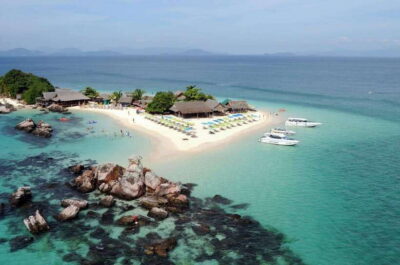 ★ 4.23 Khai Islands Relax & Snorkeling Half/Full Day TourFrom $242,379 reviews
 ★ 5.0Phi Phi & Bamboo Islands Snorkeling Tour with Lunch by SpeedboatFrom $129797 reviews
 ★ 4.5Phi Phi and Khai Islands Snorkeling Tour with Lunch by SpeedboatFrom $94788 reviews
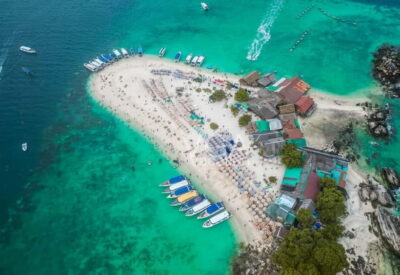 ★ 4.23 Khai Islands Tour- Snorkel & Relax (Half/Full Day)From $30502 reviews
 ★ 5.0Full-Day Beginner Scuba Course with Private Tuition, Racha YaiFrom $162368 reviews
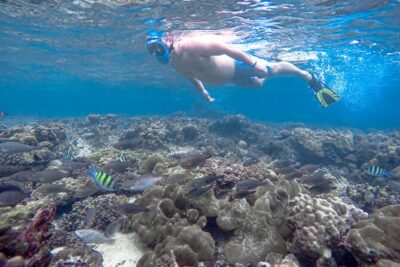 ★ 4.5Best of Phi Phi Islands Snorkeling Tour from PhuketFrom $75317 reviews
 ★ 4.5Phi Phi Islands and Khai Islands Snorkeling Tour By Speedboat From PhuketFrom $84185 reviews
 ★ 5.0Private Phi Phi and Khai Islands Snorkeling Tour by SpeedboatFrom $1,399166 reviews
Browse the lists this tour appears in