
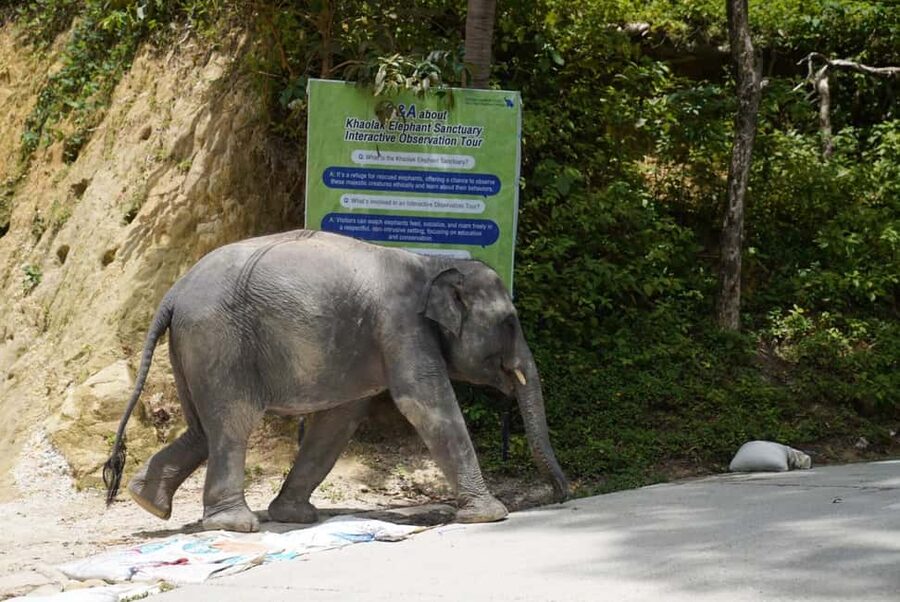
REVIEW · ETHICAL ELEPHANT ENCOUNTERS
Phuket: Guide Tour to Patong Elephant Sanctuary
Banana trees and elephants in one forest hour.
This Patong-area tour is interesting because you get real caretaking context first, then spend time watching elephants act like elephants, not like show animals. I especially like the way the guides explain daily routines and the close bond between mahouts and their elephants, so your viewing feels informed, not just cute photo time.
The hands-on food work is the other big win. You help cut banana trees and gather fresh grass to support the elephants’ daily diet, which gives you a clear sense of how a sanctuary stays fed and functioning. One consideration: the sanctuary currently has no toilet facility, so you’ll want to plan ahead before you go.
Key takeaways before you go
- Hill tribe caretakers set the tone: you start with an elephant education session and meet the mahouts who care for the animals day to day.
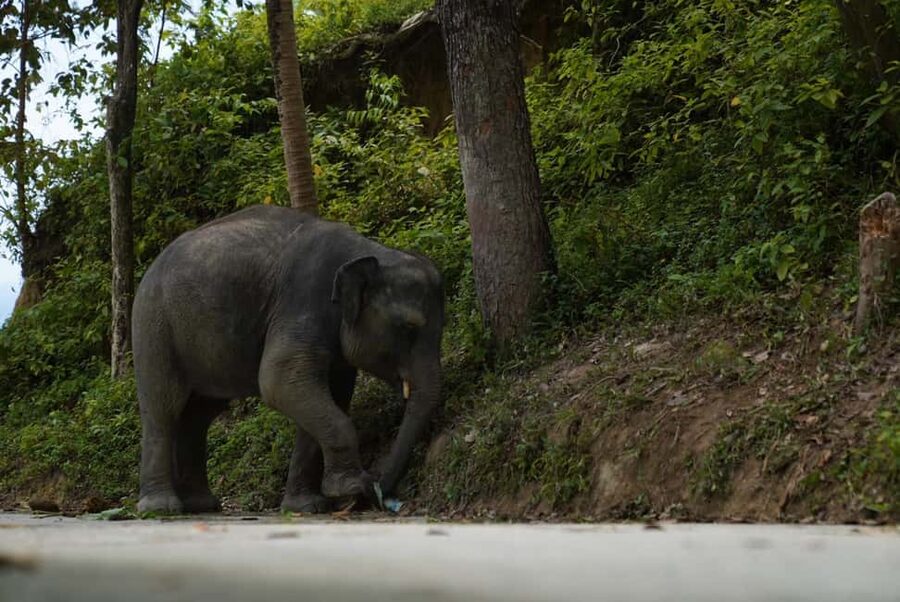
- A forest walk focused on behavior: you’ll watch elephants forage and interact in a natural routine, with guidance on body language.
- Feeding support you can help with: banana tree cutting and fresh grass harvesting put you directly into the daily care loop.
- Photography is allowed, but calm matters: expect a respectful pace designed to keep elephants comfortable.
- Sanctuary basics are still in progress: it is newly established, and you should be ready for a “nature-first” setup, including no toilet.
- Pickup covers Patong and nearby areas: if you select hotel transfer, you can be collected from Patong plus Tri Trung and Kalim.
Compare welfare standards and visitor interaction carefully
- Phuket: Elephant Feeding Program★ 4.8 · 46 reviews
Patong to a hill tribe elephant village that feels about care, not spectacle
If you are in Phuket and you want elephants to be the main event, this tour is built around something more practical than most. The elephants here are described as retired from tourism, and the focus stays on daily care and health. That matters because it changes how you see the animals. You are not just looking for big moments. You are looking for normal.
You also start with people, not just animals. The tour introduces the elephants and the caretakers from a hill tribe community, including the strong bond between mahouts and their elephants. When guides talk about how caretakers support happy, healthy elephants, it makes the forest walk feel grounded. You are learning what to notice, like how elephants explore, forage, and communicate through body language.
And yes, you do get that up-close encounter vibe in the forest. It just stays calm and intentional, not rushed.
Getting there from Patong: van time is part of the real experience
This is a short trip on paper, but the day includes the transfer itself. Pickup happens in Pa Tong (Patong), and hotel transfer can also cover the Tri Trung and Kalim areas if that option is selected. After pickup, there is van travel to reach the hill tribe elephant village, and then another van ride back.
The itinerary lists about 45 minutes in the van each way. In other words, you should treat this as a focused, time-blocked outing, not a quick walk-and-go. Plan to be ready at the pickup spot, and keep a little buffer in your schedule.
One more logistics reality to accept: transfer delays can happen, and when they do, the whole activity can slip. If you have a tight dinner reservation or a later tour, you will sleep better if you do not stack your day too tightly.
The orientation: meeting mahouts and learning how care works day to day
Before you step into the forest, you get an elephant education session. This is where the tour earns its keep. You learn the elephants’ history in tourism retirement terms, then you learn what the caretakers do each day, and why.
The guides explain the mahout bond, which is basically the relationship built through consistent care. That context changes your attention. Instead of wondering what the elephants are doing, you start reading the cues caretakers look for: comfort, routine, and how elephants respond when they are left to explore naturally.
You’ll also get a guided introduction to the elephants as you begin the village visit. Expect time for the caretakers to talk, and expect the guides to set expectations for how you should behave in the space. Even if you are here mainly for the walking, this part makes the walk more meaningful.
The forest walk: watching elephants forage and interpret body language
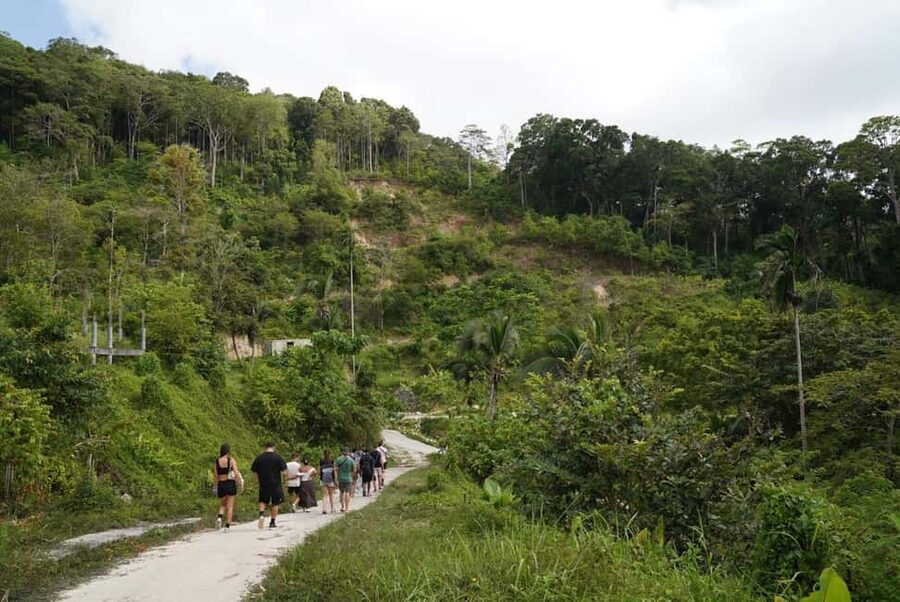
The main event is a guided forest walk with elephants. This is the part you came for, and it is designed around their natural routine. You walk with the elephants as they explore, forage, and interact in a relaxed way.
What I like about this setup is that the guides do not just point at animals. They explain behavior. That means you learn what to watch for, like how elephants use their bodies to show interest, calm, or unease. You also learn how the sanctuary keeps elephants happy and healthy, which helps you avoid the common trap of thinking every movement is a performance.
You may also find that the guides spend a fair amount of time talking while you are on the move. That can be great if you enjoy learning, but it can feel like a lot if you mainly want quiet viewing. My advice: treat it like a guided nature walk. If your goal is nonstop scenery time, this might not be the most minimal talking format.
Also, keep an eye out for the people behind the scenes. One guide named Jungle Man is mentioned as helpful and good at taking great photos. If you get the chance to work with him, take advantage. A good guide can help you stand in a position that respects both your view and the elephants.
Food prep in the sanctuary: banana tree cutting and grass harvesting
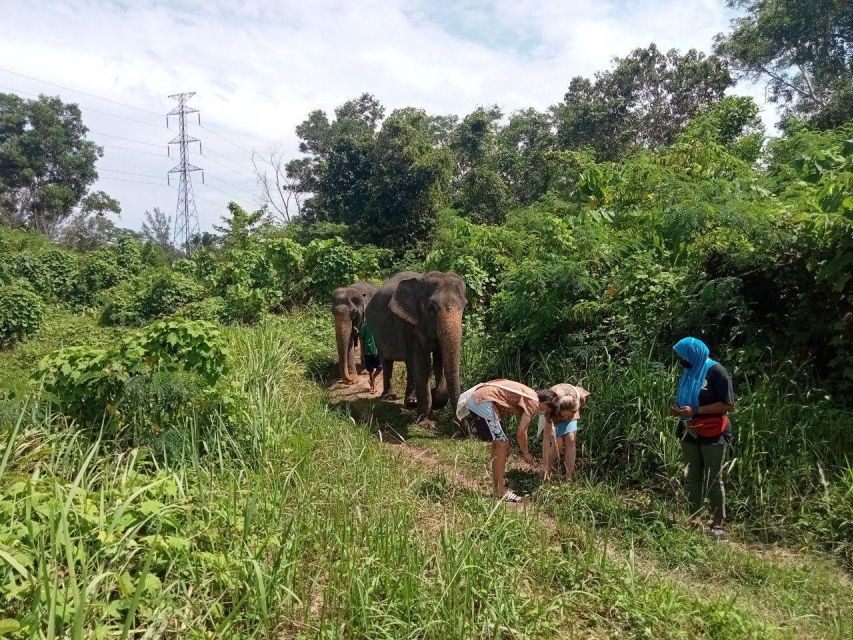
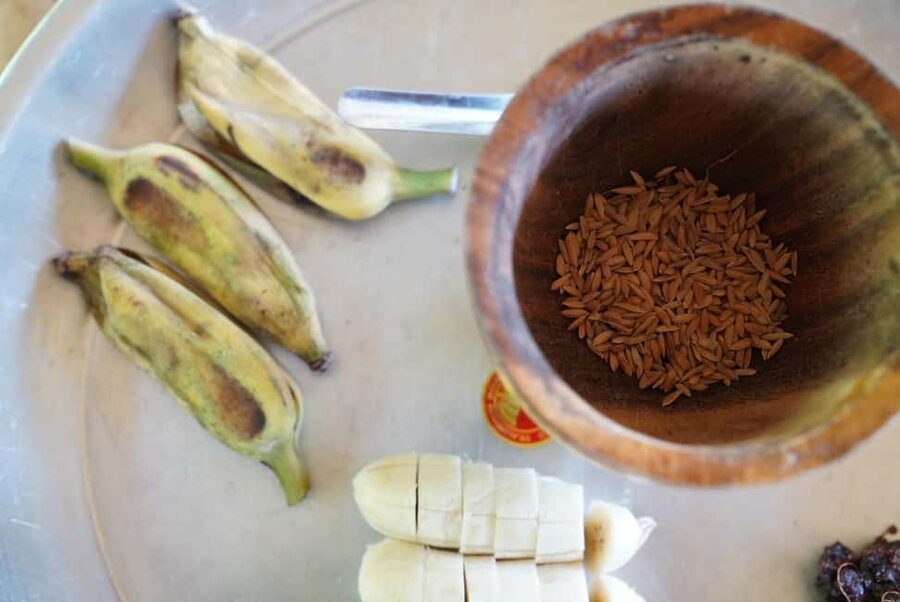
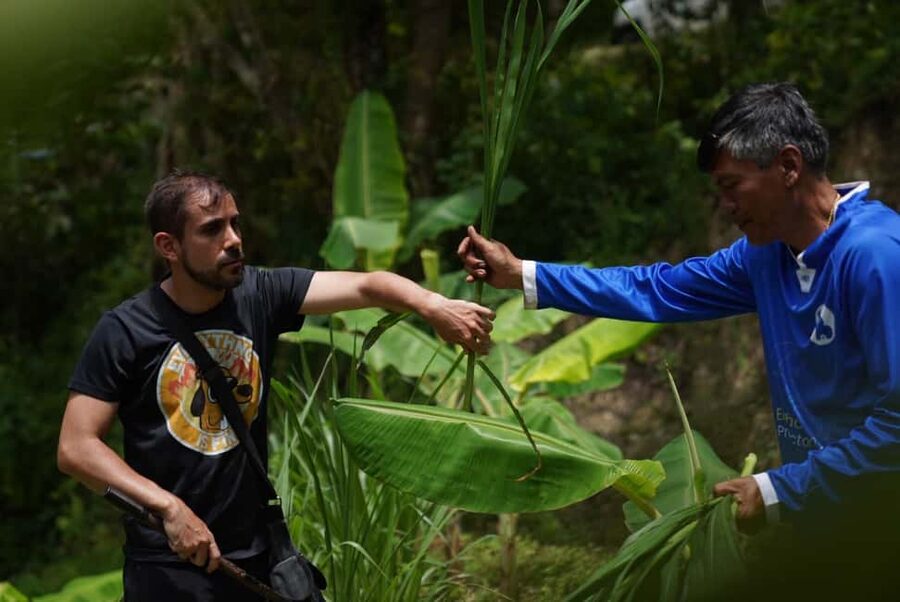
After the forest time, you shift from watching to helping. The tour includes a banana tree and grass harvesting activity, and it is not just a token gesture. Cutting banana trees and collecting fresh grass connects you to the daily diet side of elephant care.
Why that matters for you: it takes the experience beyond “seeing elephants” and gives you a real-world action. You are learning that good care is mostly routine work, repeated every day. Feeding is one of the core routines, and the tour builds in time for you to participate.
This is also where you should bring the right attitude. If you approach it like a chore you want to rush through, you’ll miss the point. If you approach it like helping a caretaking team, you’ll feel the value right away.
Even if you like photos, consider paying attention to what caretakers are doing with the food prep. The tour goal is to keep the day calm for the elephants, so your job is to stay patient, follow instructions, and keep your space steady.
What’s included, and what you should bring for a smooth day

Here is what the tour includes:
- A guided forest walk with elephants
- An elephant education session
- Banana tree and grass harvesting activity
- Drinking water (the note says to bring a reused bottle)
- Insurance
- Hotel transfer, if you choose that option
Meals are not included. So plan to eat before or after, based on your confirmation time. If you are the type who gets cranky without a snack, you’ll want to have a strategy.
What you should bring is simple and practical:
- A reused water bottle (the tour provides water to refill)
- Comfortable shoes suitable for walking in a natural setting
- Light sun protection and a hat if you run hot
- A small bag for your phone and essentials, since you’ll likely be moving around in the village and forest
Also note the clear rule: alcohol and drugs are not allowed.
Toilets and timing reality: plan for a nature-first setup

One unique point you should not overlook: the sanctuary currently does not have a toilet facility. The reason given is that the sanctuary is preserving natural forest space and avoiding construction so elephants can roam freely.
That means you should plan your bathroom timing before the pickup. This is not the kind of place where you can pop back to a restroom easily. If you are sensitive to these things, put it at the top of your decision list.
Timing-wise, the itinerary shows pickup and van travel plus village time. Even though the booking duration is listed as 1 hour, the route includes van time each way and a longer village visit and walk. So do not schedule your next activity as if this is strictly one hour long. Confirm your total window in your confirmation message, then plan your day with buffer.
Pace is also worth mentioning. Some guests may want more quiet viewing time. Guides will talk a lot during the experience, which is helpful for understanding elephant behavior, but it can limit how long you stare at one moment without guidance.
Price and value: why $45 can make sense here
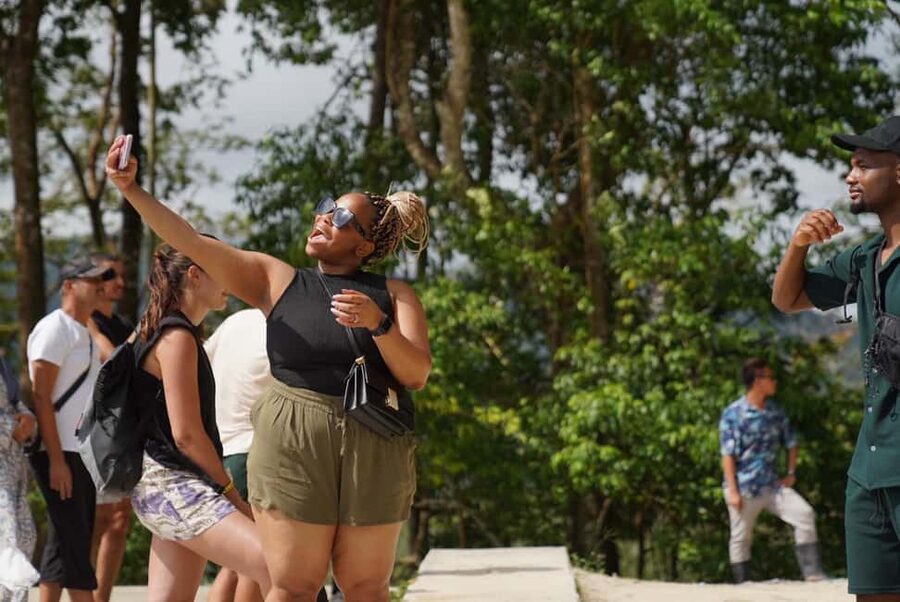
The price is $45 per person for a guided, hands-on elephant care experience. On its face, it may sound like a simple “elephant walk” deal. But the value is in what you actually do and learn.
You get:
- A forest walk with guides focused on behavior and body language
- A formal education session about elephant care for elephants retired from tourism
- A direct feeding support activity (banana trees and fresh grass)
- Hotel pickup from designated Patong areas if selected
- Drinking water, plus insurance
This is not a full-day excursion, but it is not just a photo stop either. You are spending time with caretakers and participating in daily care work. That is the kind of value you can feel later when you compare your visit to experiences that focus on quick animal encounters.
If you are trying to choose among Phuket elephant options, use this test: do you leave with a clear understanding of daily care and what supports the elephants’ wellbeing? If yes, you are getting your money’s worth here. If you only want a fast bucket-list photo, you might find the education and caretaking activities a bit more than you asked for.
Who this tour is best for in Phuket
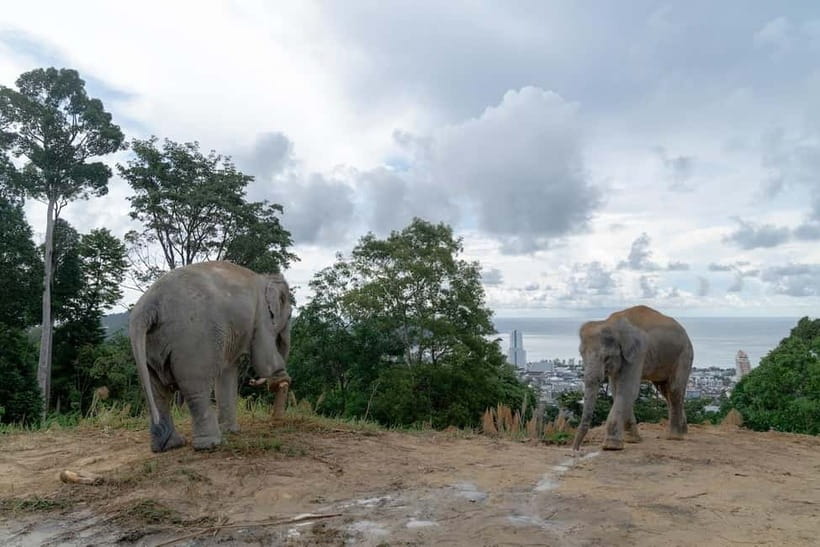
This works especially well if you:
- Like learning as you travel, not just collecting highlights
- Want elephants treated as animals with daily needs and routines
- Prefer respectful, guided pacing in a forest environment
- Are okay with a nature-first setup (no toilet facility)
It is also listed as wheelchair accessible. That is a big plus for travelers who need more supportive logistics. I would still plan for uneven natural ground during the forest walk, but the tour does signal accessibility.
Families can consider it too, as long as everyone is comfortable with caretaking-focused activities and the lack of a toilet facility on site.
If you are the type who gets impatient when guides talk, you can still enjoy it. Just mentally switch from sightseeing mode to learning mode, and let the behavior explanations guide what you notice.
Should you book the Phuket Patong Elephant Sanctuary guide tour?
I think you should book this tour if your priority is learning how retired tourism elephants are cared for, and you want to help with daily food prep in a real way. The combination of forest walking, behavior education, and banana tree and grass harvesting makes it feel purpose-driven, not random.
I would pause before booking if:
- You are uncomfortable with a sanctuary that has no toilet facility on site
- You need a very low-talk, quiet viewing experience
- You are trying to cram too many things into one day, especially given possible transfer delays
If you do decide to go, do it with the right expectations. This is a calm caretaking experience, and the respect shown in how the day is run is part of the point. You’ll come away understanding the day-to-day work that keeps elephants healthy, along with the satisfaction of having supported that work directly.
FAQ
How long is the Patong Elephant Sanctuary guide tour?
The experience is listed as 1 hour. The itinerary also includes van travel and a longer village visit and walk, so your full door-to-door time may be more than the listed activity length.
Where is hotel pickup available?
Pickup is available in Pa Tong (Patong). Hotel transfer is also offered if you select that option for Tri Trung and Kalim area pickups.
What is included in the tour price?
The tour includes a guided forest walk with elephants, an elephant education session, banana tree and grass harvesting, drinking water, insurance, and hotel transfer if selected.
Are meals included?
No. Meals are not included in the tour.
Is there a toilet at the sanctuary?
No. The sanctuary currently does not have a toilet facility.
Is the tour wheelchair accessible?
Yes. The tour is listed as wheelchair accessible.
More Tour Reviews in Choeng Thale

Ethical Elephant Visits Compared
Continue the comparison around Phuket
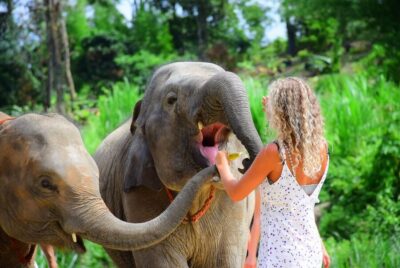
Ethical Elephant Encounters, compared.
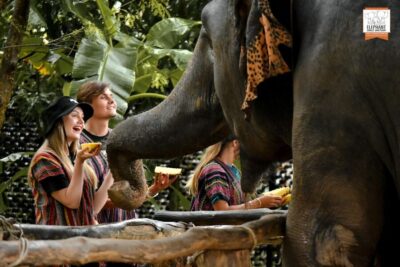 ★ 4.8Elephant Jungle Sanctuary Ethical Feeding ExperienceFrom $284,359 reviews
 ★ 4.8Elephant Sanctuary Guided Tour with Hotel TransfersFrom $412,020 reviews
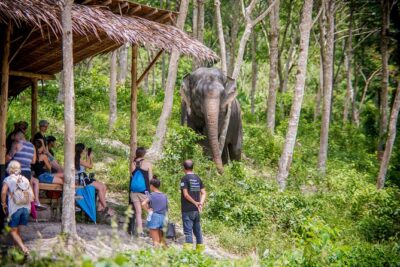 ★ 5.0A Morning with the Elephants at Phuket Elephant SanctuaryFrom $971,693 reviews
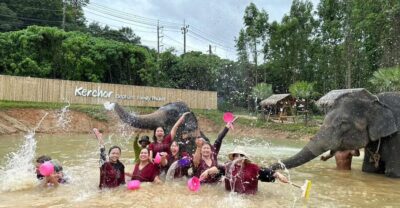 ★ 4.7Elephant Experience with Lunch or Dinner and PickupFrom $671,387 reviews
 ★ 4.8Elephant Jungle Sanctuary Feed and Shower TripFrom $611,056 reviews
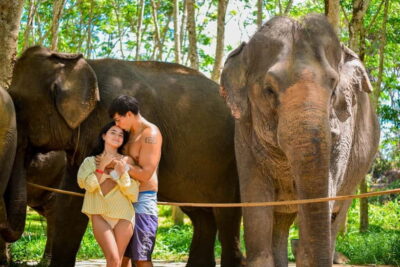 ★ 4.9Beach walk with elephants, rain & care. 2.5 hoursFrom $59969 reviews
 ★ 4.9Bukit Elephant Park Sanctuary Walk and Feed TourFrom $51926 reviews
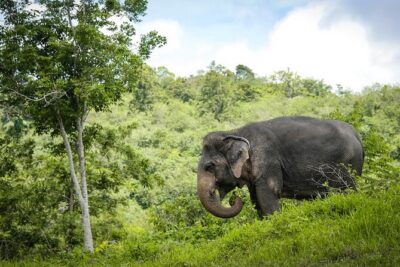 ★ 5.0Phuket Elephant Sanctuary Canopy Walkway TourFrom $61601 reviews
Browse the lists this tour appears in