
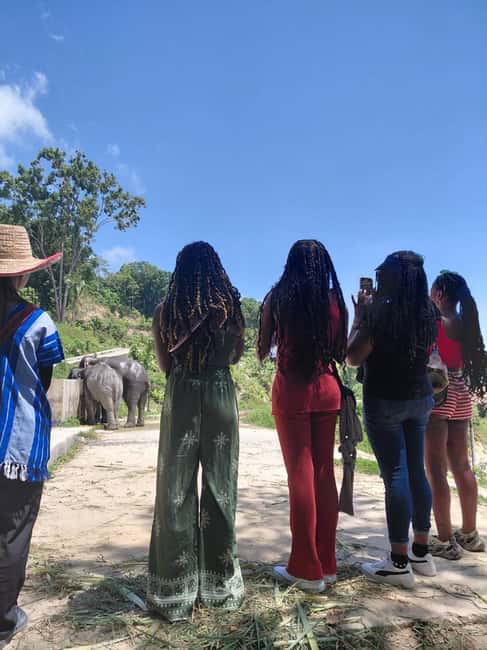
REVIEW · ETHICAL ELEPHANT ENCOUNTERS
Phuket: Eco Guided Tour at Elephant Sanctuary
Seeing elephants wisely is the point. This eco-guided sanctuary stop in Phuket pairs a short briefing with real caretaker know-how and a gentle feeding moment, so you actually understand what you are supporting. I like the focus on mahouts and daily elephant care, and I like that you help make the elephants’ herbal treats yourself. One consideration: it is only 30 minutes, so it is best if you want a meaningful intro, not a long deep visit.
You will start with an expert guide who talks through captive elephant life, what elephants need day-to-day, and how that differs from wild elephants. If you are expecting high-drama tourist antics like forced bathing, you will not get that here, because the sanctuary is strict about natural elephant behavior.
Key Highlights You Should Know Before You Go

- Mahout-first learning: You learn how caretakers support elephants, not just how elephants perform.
- Herbal vitamin ball prep: You make and feed treats designed to support digestion and health.
- No forced elephant interactions: The sanctuary avoids activities that override animal choice.
- Natural-setting walk and feeding: You meet elephants in their day-to-day environment.
- Fast, efficient Phuket timing: Van transfer and a guided session make it easy to slot in.
Compare welfare standards and visitor interaction carefully
- A Morning with the Elephants at Phuket Elephant Sanctuary★ 5.0 · 1,693 reviews
- From Phuket: Elephant Jungle Sanctuary Feed and Shower Trip★ 4.8 · 1,056 reviews
- Phuket:Beach walk with elephants, rain & care. 2.5 hours★ 4.9 · 969 reviews
- Phuket Elephant Sanctuary Canopy Walkway Tour★ 5.0 · 601 reviews
Why a 30 Minute Elephant Sanctuary Visit Makes Sense in Phuket
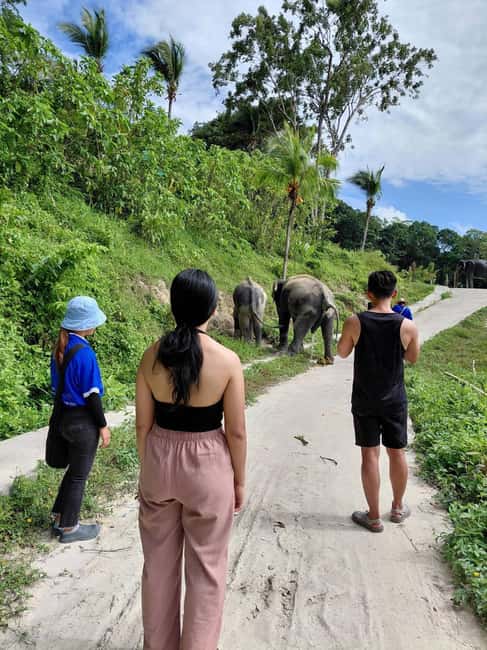
Phuket has a way of filling your day fast. This experience is built to fit into that reality: 30 minutes of guided time plus transfers, which means you can learn a lot without losing half a vacation to travel between far-flung beaches.
The biggest win is the structure. You are not just shown elephants. You get a short expert briefing first, so when you meet the elephants, you understand what you are seeing: daily routines, nutrition basics, and how elephants bond with their mahouts.
The tour is also honest about what it is and what it is not. It is a sanctuary-style visit with ethical rules. That means no flash photography and no forced interactions. It also means the elephants set the pace, not the schedule.
Getting From Your Beach Area to Hill Tribe Elephant Village
Your pickup depends on your chosen option, then you ride by van for about 30 minutes. This matters in Phuket because distances can surprise you, especially if you are based around Kata, Karon, Rawai, Panwa, or the quieter stretches toward Bang Tao.
At the end, there are nine drop-off points, which is convenient if you do not want to backtrack across the island:
- Kata Beach
- Bang Tao Beach
- Ao Po Pier
- Laem Hin Lagoon Pier, The Village, Coconut Island, Ferry crossing (area combo)
- Karon Beach
- Rawai Beach
- Panwa Beach Side Beachfront
- Hill Tribe Elephant Village (included as a stop option)
- Phuket (listed generally as a destination option)
If you are trying to squeeze this into a packed itinerary, the good news is the route is clearly set up to get you back to your side of Phuket.
The Briefing That Explains Mahouts, Daily Care, and Wild vs Captive
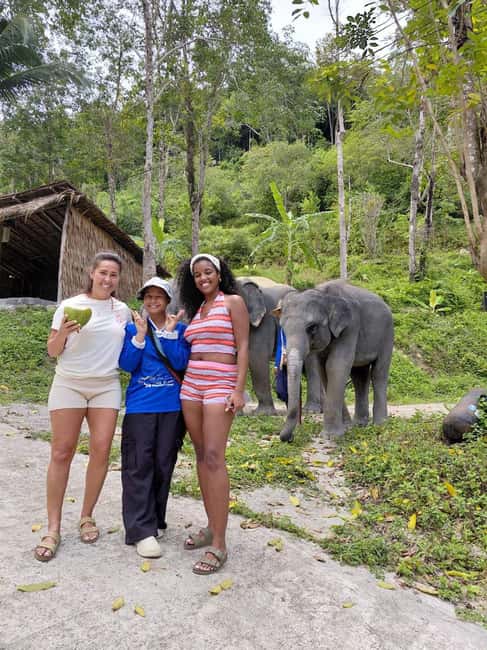
Before you meet the elephants, you get a guide-led orientation. This is where the value really kicks in, because it turns the visit from a photo moment into actual understanding.
Here is what the briefing covers:
- How captive elephants are cared for each day
- Who the mahouts are and what their caretaking relationship looks like
- The differences between wild and captive elephant life
- How hill tribe families from Mae Wang, Chiang Mai have settled in Patong, continuing traditional elephant care practices
That last point is worth paying attention to. It is easy to think elephant tourism is just about animals. Here, the story includes people and continuity, so you learn why this sanctuary treats caretaking as a craft, not a performance.
If you are lucky, your guide may be someone like Mayya, who is specifically praised for a fun, approachable personality while still teaching the important stuff. That combination matters. You want your guide to be human, not robotic, but also accurate when talking about animal welfare.
Herbal Vitamin Balls: The Hands-On Care Activity
The most memorable part for many people is the hands-on prep. Instead of only watching, you participate in making the elephants’ favorite herbal vitamin balls.
These treats are made from natural ingredients intended to support digestion and overall health. Even if you are not a nutrition expert, you can quickly see the logic: this is about daily care, not dramatic feeding.
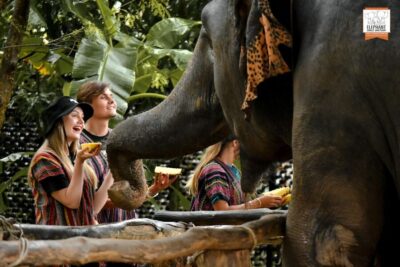
During the session, you prepare the herbal balls, then you get to feed them your handmade treats. It is one of those rare moments where the action is small, calm, and purposeful.
Practical note: you are walking and working with your hands. I would treat this like a light activity day, not a sit-down show. Comfortable shoes are not optional here.
More Phuket reviews that clarify the available tradeoffs





Walking the Sanctuary and Feeding in a Natural Setting
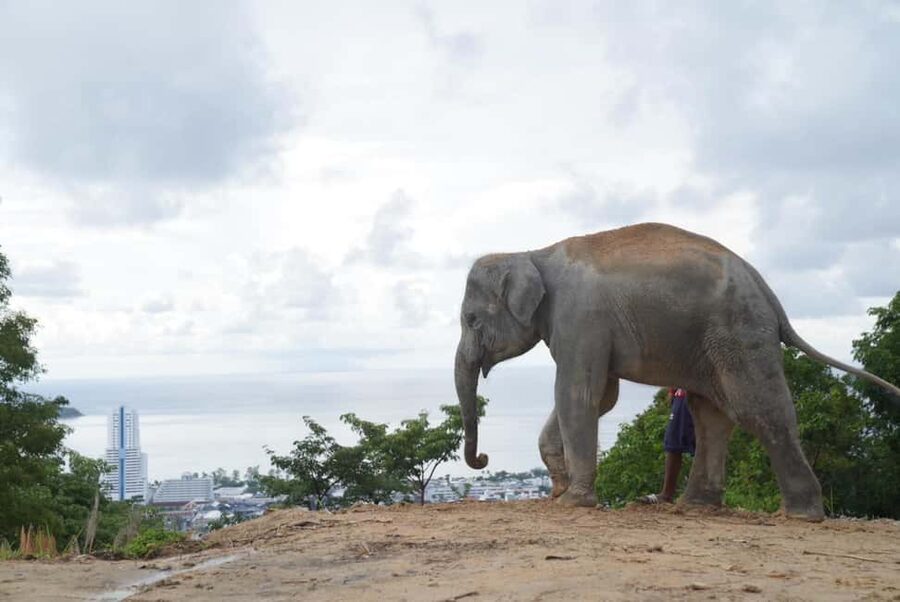
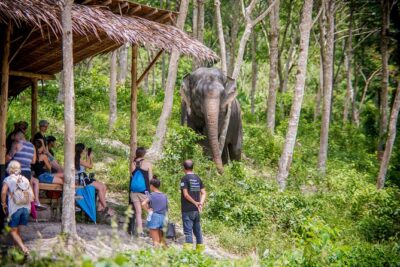
After the prep, you meet the elephants and feed the treats you made. The sanctuary walk is designed around natural elephant behaviors, meaning the elephants are not forced into tricks or unnatural routines just to entertain visitors.
You should expect:
- A guided walk through the sanctuary area
- Up-close time to observe elephant behavior
- Feeding your herbal treats in a respectful, guided way
This is the moment where the earlier briefing pays off. When you understand daily care and nutrition basics, feeding feels less like random interaction and more like part of the elephants’ normal caretaking rhythm.
Also, quiet and respectful behavior is required. This is not a place for loud chatter or treating it like a theme park.
Why No Forced Bathing or Mud Play Is Part of the Ethics

This sanctuary explicitly does not allow forced bathing or mud play with elephants. On a superficial level, you might think that sounds like a limitation. In practice, it is the heart of ethical elephant tourism.
Forced bathing and mud play override what elephants would naturally choose. Elephants use water and mud in their own ways, and when a human schedule pushes the behavior, it can create stress instead of wellbeing.
Here, the sanctuary respects the idea that elephants enjoy their day on their own terms. That is not just a moral statement. It changes the entire tone of the visit. The day feels calmer. The elephants move as they want. You are observing and supporting, not directing.
If you want an experience where your presence does not turn into pressure on the animals, this rule set is exactly the right direction.
Price and Value: Is $32 Worth It for Ethical Elephant Tourism?
At $32 per person for about 30 minutes, this is a fairly easy buy in a country where many tourist activities cost more for less.
Here is why the value holds up:
- You get an expert guide briefing with captive vs wild context
- You get a hands-on food preparation step, not just watching
- You get feeding time, with clear behavioral rules
- You get round-trip transfers if you select an option, and the drop-off points cover multiple beach areas
This is not the cheapest way to see elephants. But it is also not a bare-bones photo stop. For many people, the learning and the calm, ethical approach make it feel like a solid half-step between curiosity and responsible travel.
If you are also comparing it to full-day options, remember this is designed as a short, focused encounter. Think of it as an intelligent primer.
What to Bring and the Photo Rules You’ll Actually Use
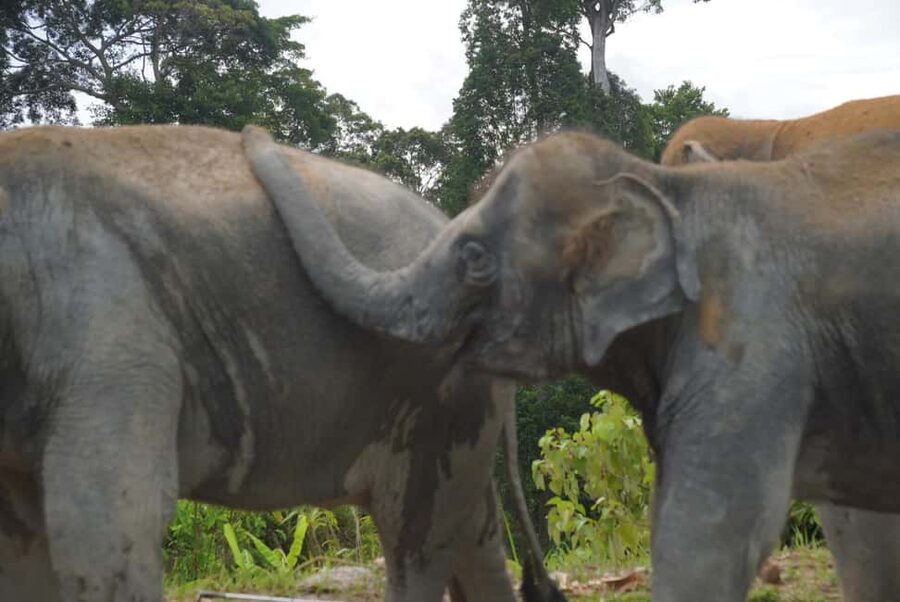
This is a warm, sunny outing in Phuket. Pack like you are going for a short walk in heat.
Bring:
- Comfortable shoes
- Hat
- Camera
- Sunscreen
- Insect repellent
- A reused water bottle (water is included)
Photo rule:
- Flash photography is not allowed
Also expect the guide to set the tone during the elephant feeding moment. Follow instructions on distance and behavior. If you are wondering whether you should bring a long lens, the answer is simple: a camera is enough, and you should avoid flash.
Who This Tour Is Best For, and Who Should Skip It
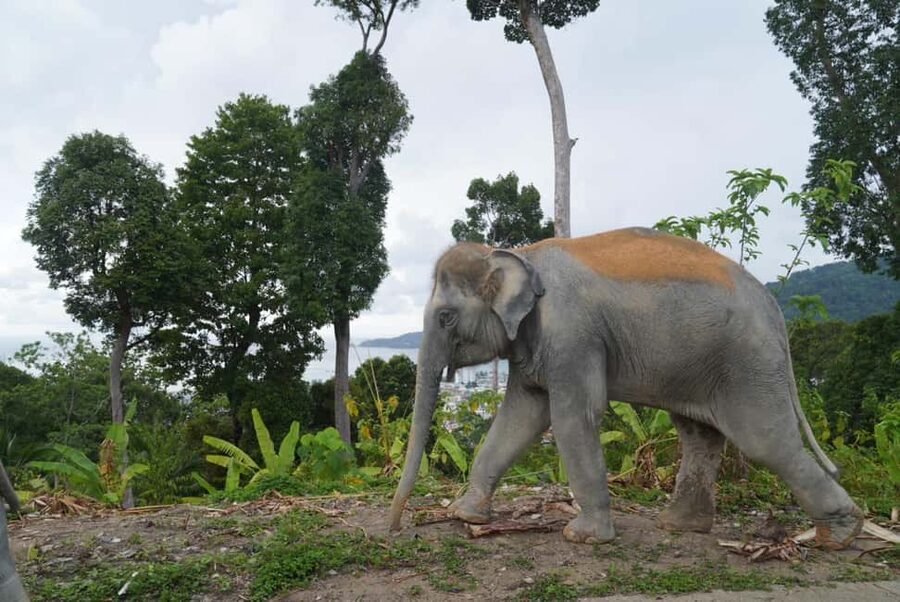
This tour is a good fit if you:
- Want a short, meaningful way to learn about elephant care
- Care about ethical rules and animal behavior
- Prefer guided learning over chaotic interaction
- Are staying around Phuket and need convenient beach-area pickup and drop-off
It is not listed as suitable for:
- Pregnant women
- People with mobility impairments
- People with animal allergies
One extra point to keep in mind: the activity information also lists wheelchair accessible. Since it also says it is not suitable for mobility impairments, you should treat it as a walking and feeding-in-place experience. If you have mobility concerns, check with the operator before booking.
Should You Book This Elephant Sanctuary Tour in Phuket?
I would book it if you want your elephant encounter to feel respectful, educational, and calm. The best reason is the combination: mahout-focused briefing plus hands-on herbal feeding. You do not leave with only pictures. You leave with a clearer sense of what care looks like and why ethical rules matter.
Skip it if:
- You need a long, slow schedule and this short format will feel too quick
- You expected forced bath or mud-play style interactions, because those are specifically not allowed
- You have a reason you should not participate based on the stated non-suitable conditions
FAQ
How long is the Phuket Eco Guided Tour at the Elephant Sanctuary?
The guided experience is about 30 minutes.
What activities are included in the tour?
You prepare herbal food, you feed the elephants, and you get drinking water. The tour also includes a live English guide and insurance.
Is round-trip transportation included?
Round-trip transfers are included if you choose the option that includes them. If not selected, pickup and drop-off timing depends on the selected option.
Where can you get dropped off around Phuket?
Drop-off options include Kata Beach, Bang Tao Beach, Ao Po Pier, Laem Hin Lagoon Pier (plus The Village, Coconut Island, and ferry crossing area), Karon Beach, Rawai Beach, Panwa Beach Side Beachfront, Hill Tribe Elephant Village, and Phuket (general destination option).
Can I use flash photography during the visit?
No. Flash photography is not allowed.
What should I bring with me?
Wear comfortable shoes, bring a hat, sunscreen, insect repellent, and your camera. Bring a reused bottle since water is provided.
Who should not book this tour?
It is not suitable for pregnant women, people with mobility impairments, or people with animal allergies.
More Tours in Phuket



More Tour Reviews in Phuket



Ethical Elephant Visits Compared


Continue the comparison around Phuket


Ethical Elephant Encounters, compared.
 ★ 4.8Elephant Jungle Sanctuary Ethical Feeding ExperienceFrom $284,359 reviews
 ★ 4.8Elephant Sanctuary Guided Tour with Hotel TransfersFrom $412,020 reviews
 ★ 5.0A Morning with the Elephants at Phuket Elephant SanctuaryFrom $971,693 reviews
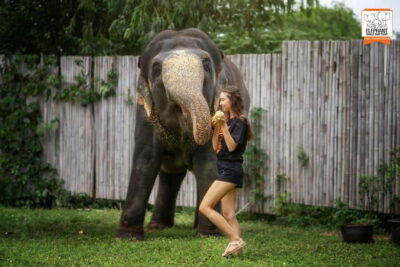
 ★ 4.7Elephant Experience with Lunch or Dinner and PickupFrom $671,387 reviews
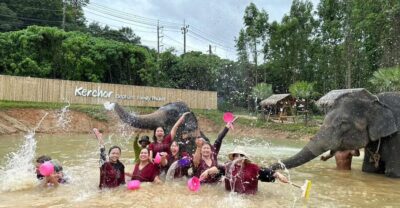
 ★ 4.8Elephant Jungle Sanctuary Feed and Shower TripFrom $611,056 reviews
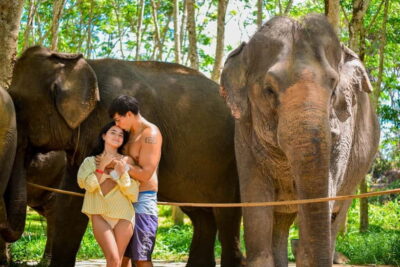 ★ 4.9Beach walk with elephants, rain & care. 2.5 hoursFrom $59969 reviews
 ★ 4.9Bukit Elephant Park Sanctuary Walk and Feed TourFrom $51926 reviews
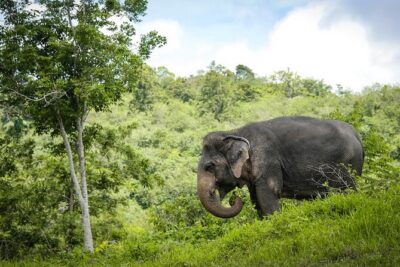 ★ 5.0Phuket Elephant Sanctuary Canopy Walkway TourFrom $61601 reviews
Browse the lists this tour appears in