
REVIEW · PHUKET SNORKELING & DIVING
Open water scuba certifiication course with beach dives
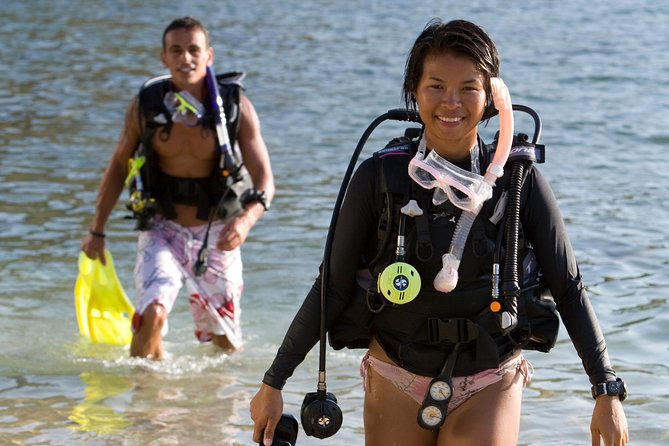
Phuket makes learning scuba feel surprisingly natural. I liked that Kiwidivers Phuket keeps things practical, with small-group training (up to 4) and a course built around real beach water sessions after e-learning.
My other big win was the instructor focus. Charles, the Kiwidivers instructor many guests talk about, is highly experienced and helps you build confidence step by step, not just memorize tasks. One thing to plan around: the schedule depends on good weather, so beach sessions can shift if conditions are poor.
What You’ll Like Most: Pool Skills That Transfer Outdoors

I really like courses that don’t stop at classroom knowledge, and this one follows through with pool practice on Day 1 before you head to the beach. You also leave with the paperwork you need, including a logbook and certification after successful completion.
Compare reef time, equipment and guide ratios
- Phuket: 3 Khai Islands Relax & Snorkeling Half/Full Day Tour★ 4.2 · 2,379 reviews
- Phi Phi & Bamboo Islands Snorkeling Tour with Lunch by Speedboat★ 5.0 · 797 reviews
- Phi Phi and Khai Islands Snorkeling Tour with Lunch by Speedboat★ 4.5 · 788 reviews
- Full-Day Beginner Scuba Course with Private Tuition, Racha Yai★ 5.0 · 368 reviews
Key Points That Matter Before You Go

- Instructor Charles brings years of instruction experience and a calm, professional style that helps first-timers feel safe.
- E-learning first, then hands-on training, so you show up knowing what to expect.
- Pool practice on Day 1 sets you up for the four open-water skill checks on the beach.
- Maximum 4 people means more individual attention and less waiting around.
- You’ll complete 4 beach training sessions across Days 2 and 3, not just a single quick outing.
- Marine life is the payoff, and you’re doing it in a real tropical environment, not a staged setup.
Why Phuket Beach Open Water Training Works So Well
Phuket is a great place to learn because the whole experience feels like part of a vacation. You are in a tropical setting, with clear momentum from learning at your own pace (the e-learning) to hands-on skill work (pool) to open water tasks on the beach.
The beach format also changes the vibe. Instead of rushing into deep, complicated logistics, you build control in smaller, more manageable steps. For me, that matters because open water certification can feel like a lot when you are new. Here, the structure helps you stay focused.
And you get the social side without the chaos. With a max group size of 4, the training stays personal enough that questions do not get lost in a crowd.
Price and Value: Is $503 a Good Deal for 3 Days?
$503 for about 3 days is not cheap, but the value is in the total package. You are not just paying for time in the water. You are paying for structured certification training: e-learning, paperwork review, equipment fitting, pool skills, four beach sessions, and then your logbook and certification.
A fair way to judge this price is to compare what’s included versus what gets added later elsewhere. In this setup, the core items for certification are part of the program: the education elements, the guided practice sessions, and the final sign-off process.
Also, the course runs on a tight timeline. When training is spread out, it becomes harder to maintain momentum and confidence. This one stacks everything over 3 days, so you finish strong instead of dragging it out.
How the Course Really Runs: E-Learning to Beach Sessions
Here’s the flow, and it’s the key to why this course feels organized.
First, you complete e-learning in advance. That handles the knowledge parts so your time with the instructor can focus on reinforcing what you need and fixing common mistakes.
Then you meet the instructor on Day 1 for paperwork review and gear fitting. You also do pool training so you can practice core skills in a controlled environment.
After that, it’s beach time for four open-water skill sessions across Days 2 and 3. By the end of Day 3, you complete the remaining skills and get your logbook and certification once you pass.
That sequence matters. If you try to do everything in open water from day one, new students often feel overwhelmed. This setup uses the pool as a bridge.
More Phuket reviews that clarify the available tradeoffs
Day 1 at Kiwidivers Phuket: Paperwork, Gear Fit, and Pool Confidence
Day 1 starts at Kiwidivers Phuket, 1, 20 Soi Lam Sai, Tambon Karon, Amphoe Mueang Phuket, Chang Wat Phuket 83100, with a 9:00 am start. The day begins with meeting your instructor to review paperwork and discuss the training materials you completed online.
This is a practical moment that many people underestimate. The paperwork review is not busywork. It’s where you confirm your details, understand the training expectations, and get clear on safety priorities before you put on gear.
Next comes equipment fitting. Getting fit properly early can prevent a lot of small stress later, like fighting straps or struggling to manage buoyancy. You want comfort here so your brain can focus on breathing and technique.
Finally, you head to pool training. Pool practice is where you build confidence fast because you can repeat skills without the added challenge of open-water variables. It’s the difference between learning a concept and being able to perform it when you feel slightly nervous.
Day 2 Beach Sessions 1 and 2: Learning to Stay Calm in Open Water
On Day 2, you meet at the beach for the first two training sessions. This is where your pool skills get transferred to a more natural setting.
The main goal on Day 2 is usually comfort and control. You are practicing the core tasks that make open-water scuba safer and more predictable: staying coordinated, handling equipment, and following instructions accurately.
Because this course is capped at 4 travelers, you are not treated like a number. If something feels off, you can get coaching without waiting in a long queue.
Also, this is where you start getting the fun side. Even as a training environment, Phuket’s marine life is the reason people sign up. You are not just completing checkboxes. You are learning skills while surrounded by the kind of environment that makes you want to keep going after certification.
Day 3 Beach Sessions 3 and 4: Final Checks and the Certification Moment
Day 3 follows a similar pattern, meeting at the beach for the final two training sessions. These sessions are about finishing the skill progression and showing you can perform reliably under open-water conditions.
If you are the kind of person who hates pressure, this is a good course to choose because the structure is predictable. You already know the general rhythm from Day 1 and Day 2, so the final day feels like completing a sequence rather than facing total uncertainty.
Once you successfully complete the required training, you receive your logbook and open water scuba certification. Getting that paperwork at the end is a big deal. It means you can plan your next scuba outing without wondering what’s still pending.
Marine Life and the Real Tropical Payoff
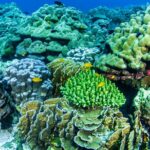
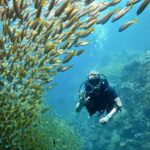
The training part is serious, but it does not remove the wonder. The whole idea of doing certification in a tropical place is that you get to practice while you’re surrounded by natural marine life.
Guests specifically call out the quality of the marine life experience. You should expect to see wildlife opportunities that make learning feel like more than a test. Even if you stay focused on skills, you will still notice the environment. That mix is what keeps students motivated when things get tricky.
One practical note: your actual visibility and wildlife encounters depend on water and weather conditions. So keep expectations flexible. Your goal is to learn safely first, enjoy second, and you will have a better time.
Safety, Fitness, and Medical Checks You Cannot Ignore
This course is designed for safe training, and the requirements are clear.
You must be over 10 years old with a reasonable fitness level and no medical conditions whatsoever. A health questionnaire is required before you do your open-water sessions. Some medical conditions may prevent you from participating, and you’re advised to consult your doctor if you have concerns.
There’s also an important planning guideline: getting into scuba sessions within 24 hours of flying is not recommended. That’s a smart rule. You want your body to feel rested and stable before you go into a pressure-training environment.
Another detail that matters: children under 18 must have a parent present, and the parent must join this scuba training activity. If you are planning a family trip, this changes logistics more than you might think, so plan early.
Charles and the Instruction Style That Builds Confidence
Charles comes up repeatedly in the strongest feedback, and for a good reason. Guests describe him as experienced, organized, and very good at making students comfortable.
What stands out is not just technical skill. It’s the way he teaches. He is described as detailed and professional, and he takes time to explain the why behind techniques, plus real-life scenarios when teaching safety skills and equipment use.
That style matters because open water certification is not only about doing the steps. It’s about understanding what you are doing and why. When you understand the logic, you panic less if something changes.
If you want a course that feels safe even when you are nervous, this instruction approach is a big plus.
Booking Logistics: Where You Start, How Small the Group Is
The meeting point is Kiwidivers Phuket, and the activity ends back at the same meeting point. The start time is 9:00 am, and the itinerary is structured to keep you moving across the 3 days.
The group size is capped at 4 travelers, so the course stays manageable. That small size is not just a comfort perk. It affects training quality because you are more likely to get direct coaching when you need it.
You’ll also receive a mobile ticket, which is handy for a trip where you do not want to juggle paper. Confirmation is expected within 48 hours subject to availability.
Finally, this is a good-weather-required activity. If conditions are poor and the training gets canceled, you’ll be offered a different date or a full refund.
Who This Course Is Best For in Phuket
This course is a strong fit if you want a structured path to open water certification without dragging it out. If you’re comfortable in the water and have a moderate fitness level, you’ll likely find the pace doable.
It’s also a good choice if you value instructor clarity. Charles’s teaching style, as described by guests, focuses on making you feel safe and organized. That is a big deal if you get anxious around equipment or unfamiliar tasks.
If you are traveling with a child under 18, remember the parent must join the training. That requirement can make the course more suitable for families who plan ahead.
Should You Book This Kiwidivers Open Water Course?
I’d book it if you want a certification course that feels organized, personal, and tied to a real tropical setting. The combination of e-learning first, pool practice on Day 1, and four beach training sessions over Days 2 and 3 is a smart structure for first-timers.
Also, look at the instructor signal. Charles is repeatedly described as professional, reliable, and good at making students comfortable through detailed, scenario-based explanations. That kind of teaching style often makes the difference between tolerating training and actually enjoying it.
I would hesitate only if your schedule is fragile with weather, or if you have any medical questions that might affect participation. Since you need to meet the health requirements and the course depends on good conditions, you should sort those parts early.
FAQ
What certification do I receive at the end?
If you successfully complete the training, you receive your logbook and certification for open water scuba diver.
How long is the course?
It runs for about 3 days.
Do I need to do e-learning before I arrive?
Yes. The educational elements are completed in advance with e-learning, then you review and reinforce the material with the instructor on Day 1.
What happens on Day 1?
You meet the instructor to review paperwork and discuss the training material, get fitted for scuba equipment, and attend a pool training session.
Where do Days 2 and 3 training happen?
On Days 2 and 3, you meet at the beach for the training sessions.
What time does the experience start?
The start time is 9:00 am.
How many people are in a group?
The course has a maximum of 4 travelers.
Who can take the course?
You must be over 10 years old, have a reasonable fitness level, and have no medical conditions. Children under 18 must have a parent supervise, and the parent must join the activity.
Do I need to fill out a health form?
Yes. You must complete a health questionnaire prior to the scuba sessions.
What if the course is canceled due to weather?
The experience requires good weather. If it is canceled due to poor weather, you will be offered a different date or a full refund.
If you want, tell me your comfort level in water and whether you are doing this solo or with family, and I’ll help you sanity-check if this 3-day structure fits your trip.
More Scuba Diving in Phuket
More Tour Reviews in Phuket



Snorkel & Dive Conditions Compared
Continue the comparison around Phuket


Phuket Snorkeling & Diving, compared.
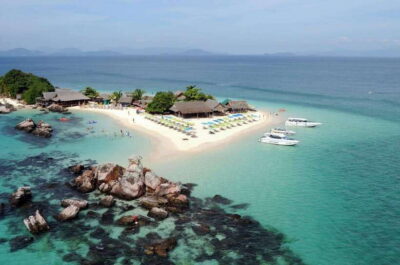 ★ 4.23 Khai Islands Relax & Snorkeling Half/Full Day TourFrom $242,379 reviews
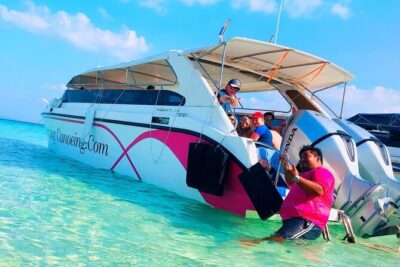 ★ 5.0Phi Phi & Bamboo Islands Snorkeling Tour with Lunch by SpeedboatFrom $129797 reviews
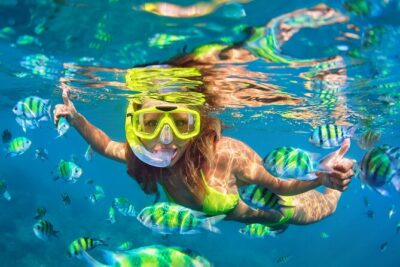 ★ 4.5Phi Phi and Khai Islands Snorkeling Tour with Lunch by SpeedboatFrom $94788 reviews
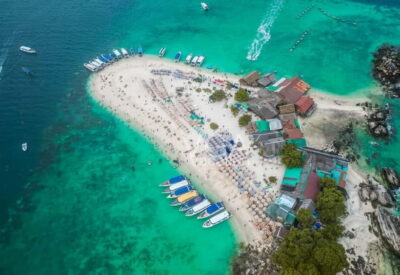 ★ 4.23 Khai Islands Tour- Snorkel & Relax (Half/Full Day)From $30502 reviews
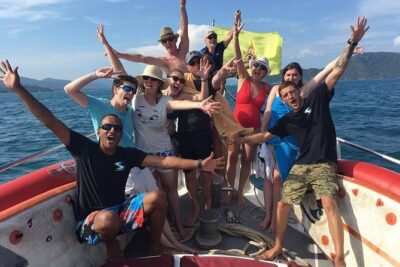 ★ 5.0Full-Day Beginner Scuba Course with Private Tuition, Racha YaiFrom $162368 reviews
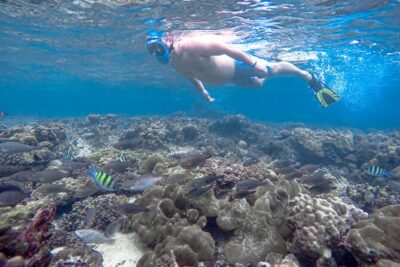 ★ 4.5Best of Phi Phi Islands Snorkeling Tour from PhuketFrom $75317 reviews
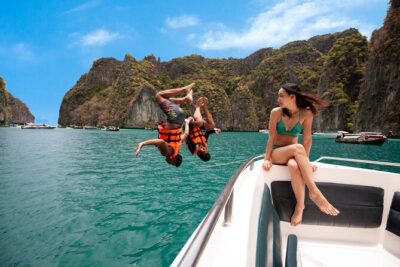 ★ 4.5Phi Phi Islands and Khai Islands Snorkeling Tour By Speedboat From PhuketFrom $84185 reviews
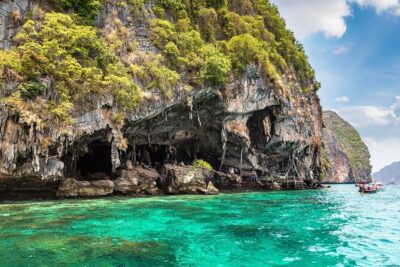 ★ 5.0Private Phi Phi and Khai Islands Snorkeling Tour by SpeedboatFrom $1,399166 reviews
Browse the lists this tour appears in