REVIEW · ETHICAL ELEPHANT ENCOUNTERS
Phuket:Beach walk with elephants, rain & care. 2.5 hours
That first ocean breeze hits, then the elephants arrive. A short Phuket outing that mixes a jungle walk, beach-side elephant care, and time in the sea.
I love how the experience centers on elephant well-being, not performance. Two big wins for me are the private beach moments (feeding, brushing, bathing) and the straightforward conservation talk from the team, including guides like Kim.
One thing to plan for: you are wet, and the coastline can be rocky. Bring the right shoes and expect that the day may feel longer door-to-door if you get picked up first and dropped off last.
Key points before you go

- Private beach bathing with elephants, plus brushing and feeding time
- Jungle walk in nature for about 15-20 minutes, done at a calm pace
- Vitamin-ball prep (herb balls) and learning how elephant supplement food is made
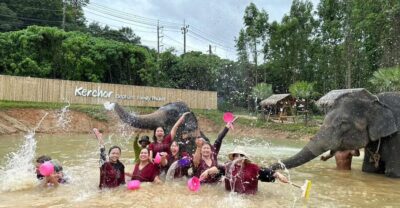
- Rainshower moment with the elephants, part of the camp routine and weather reality
- Sea bathing afterward, where you get a front-row view of how gentle the interaction can be
- Pro photos cost extra, so decide early if you want them
Compare welfare standards and visitor interaction carefully
- A Morning with the Elephants at Phuket Elephant Sanctuary★ 5.0 · 1,693 reviews
- From Phuket: Elephant Jungle Sanctuary Feed and Shower Trip★ 4.8 · 1,056 reviews
- Phuket:Beach walk with elephants, rain & care. 2.5 hours★ 4.9 · 969 reviews
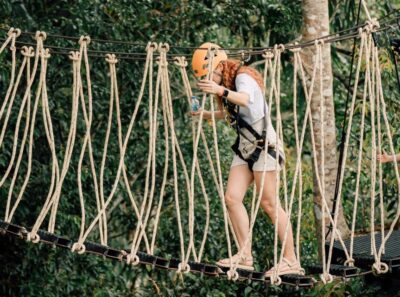
- Phuket Elephant Sanctuary Canopy Walkway Tour★ 5.0 · 601 reviews
Lily Elephant Camp: a coastal sanctuary in Phuket

Phuket has no shortage of elephant “encounters,” but Lily Elephant Camp is a different setup because it’s a true coastal sanctuary. The camp is located in Yamu, Paklok, Phuket, after relocating in 2023 from Siray. They position it as Phuket’s first coastal elephant sanctuary, set on a 20-acre natural habitat by the Gulf of Thailand. Translation: it feels less like a fenced showground and more like a working sanctuary by the water.
What you’ll notice right away is the tone. This experience is built around conservation education and daily elephant care. The camp states the elephants enjoy freedom from chains, riding, or torture. It is also designed for learning, so you’re not just there for selfies. You’ll spend time with volunteers and caretakers who talk through elephant behavior and what responsible care looks like.
Your 2.5 hours on the elephant schedule, step by step

This is a short, high-contact program (about 150 minutes), so the flow matters. Here’s what it feels like in real time, from first interactions to the final “care routine” steps.
Getting started: meet the camp, then meet your elephant team
Once you arrive, the program begins with orientation and hands-on instruction. Expect an English-speaking tour guide (and Thai support too). This part is more than formality. You get a simple framework for how the elephants move, what the caretakers are watching for, and how visitors can interact safely.
If you booked a transport option with pickup, you’ll also feel the Phuket logistics. Multiple drop-off points around Patong, Karon, Kata, Coconut Island area, Yamu Village, and back at Lily Elephant Camp can make the overall day feel stretched, even if the elephant portion stays close to the promised 2 to 2.5 hours.
Jungle walk with elephants (15-20 minutes)
You’ll take a guided walk in nature with the elephants for roughly 15-20 minutes. This is not a long hike, but it’s meaningful because it shows how elephants behave outside of a purely beach setting. You get to see their movement in a more natural rhythm, and the guide helps connect what you’re seeing to how the elephants are cared for.
The best part here is the calm pace. It’s designed so you’re observing and staying respectful, not trying to rush the moment. For anyone who worries that elephant tours are always staged, this short walk helps you feel like you’re actually in the elephants’ world for a bit.
More Phuket reviews that clarify the available tradeoffs
Prepare and offer herb vitamin balls
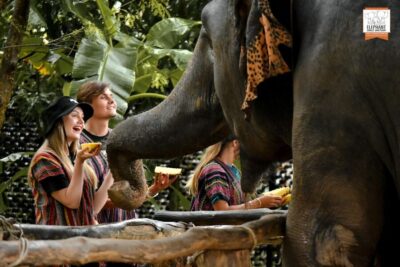
Next comes a fun, hands-on feeding moment: preparing vitamin balls using herbs (often called herb balls). The camp has you make or prepare the elephant supplement food as part of the experience, not just hand over packaged feed.
Why I think this matters for you: it turns feeding from a “grab and go” photo moment into something with context. When you understand what you’re giving and why, the interaction feels more purposeful.
Private beach: brush, bathe, and enjoy sea-level elephant contact
One of the standout features is the private beach setting. You’ll brush elephants and bathe them at the beach, with ocean views around you. This isn’t “you watch the water and they do the trick.” You are part of the care session.
You’ll also have a feeding segment in their natural habitat during the beach time. That combination, gentle feeding plus brushing plus sea bathing, creates a smoother experience than tours that try to compress everything into a single crowded “one photo each” pass.
The rainshower moment with the elephants
The highlight list includes a refreshing rainshower with the elephants. In practice, this is exactly what it sounds like: a wet, playful element that can happen depending on conditions. It makes the experience feel more alive and less scripted.
Practical advice: treat it like a mini water event. Keep your phone protected, and plan to feel damp even after the tour.
Sea bathing and showering them afterward
After the private beach sequence, the program continues with a sea bathing experience where you get in the water with the elephants. Afterward, the elephants are showered down as part of the care routine, along with some clean-up time for participants.
If you’re hoping to beat the “basic elephant photo” stereotype, this is where the tour earns it. You’re interacting in a way that looks like care, not performance. The sea also changes the texture of the day, from walking in heat to the cooling rhythm of water.
Final touches: supplement preparation and a calm wrap-up
The tour concludes with more elephant supplement preparation. Then you wrap up and head out with the sense that you were there for care, education, and interaction, not just a quick ride or staged behavior.
Wheelchair accessible is listed, which is helpful to know if mobility is a concern for you. Still, because this is an outdoor beach and water activity, you should anticipate uneven ground and a wet environment.
Ethical elephant care, and why this sanctuary model can make sense

Let’s talk ethics clearly. Some elephants in this kind of program background were previously used for labor and may have injuries from past owners. The camp frames its mission around conservation and education, and it also emphasizes that elephants are not used for riding or chained routines.
You might still see visitors debate what “ethical” means when elephants are in human care. Here’s the practical perspective: if the elephants in a sanctuary were raised or used by people in the first place, releasing them into the wild is not a simple switch. In a case like that, a sanctuary that provides space, routine care, and education can be a safer option than “ban entertainment” in theory without a workable alternative for the animals already living under human management.
That doesn’t mean you should ignore your own standards. If you care about elephant welfare, look for these signals during your visit:
- the absence of riding or forced stunts
- calm handling focused on well-being
- guides who can explain behavior and care rather than just selling photos
At Lily Elephant Camp, that teaching and care framing is part of the experience design.
Price and value: what $59 really covers (and what costs extra)

At $59 per person for about 150 minutes, this price sits in the mid-range for elephant experiences in Phuket. The value comes from how much time you spend involved and how broad the activities are: jungle walk, feeding prep, brushing, private beach bathing, rainshower moment, and sea bathing, plus an English-speaking guide.
What’s included:
- elephant food and feeding time
- jungle walk with elephants
- bathing with elephants in the sea
- English-speaking tour guide
- accident insurance
- hotel pick-up and drop-off only in Phuket City, Old Town, Kata, Karon, and Patong when you select the transport option
- a program time around 2 to 2.5 hours
What is not included:
- transfer services outside the select included pickup zones (standard transfer zones are 300 THB per person)
- professional photography services (rates start at 300 THB)
Now, the tricky part: photos. The camp has on-site photography, and several guests noted the cost can be steep. One specific example shared was 1500 THB for 10 digital photos. So go in knowing there’s a photography upsell option, and you can absolutely skip it if you don’t want to spend extra.
Overall, if you want more than a quick “touch and leave” moment, this price is easier to justify. You are paying for time with elephants in a coastal care setting.
Transfers and day length: Phuket pickup can stretch your time

Even though the elephant program is about 2 to 2.5 hours, your total day can feel longer because Phuket pickup and drop-off routes are spread across multiple areas. If you’re staying near Patong or Kata, the pickup tends to be convenient, but multiple drop-off points can add time.
Important transfer notes:
- Hotel pick-up and drop-off for Phuket City, Old Town, Kata, Karon, and Patong are included only if you choose the transport option during booking.
- If you are in other areas, transfer fees are 300 THB per person for standard transfer zones.
- For guests who booked Program Only and want shuttle service later, the fee is listed at 750 THB per person.
Meeting point option for independent travel: you can use taxi or Grab, searching for Lily Elephant Camp, or self-drive with Google Maps.
What to pack for a wet, sunny elephant beach walk

This is a do-not-overthink kind of trip, but the packing list matters because you will get wet and you’ll be outdoors in sun and humidity.
Bring:
- swimwear
- a change of clothes
- towel
- sunglasses and sun hat
- sunscreen and biodegradable sunscreen
- camera
- biodegradable insect repellent
- cash
Also, consider water shoes if your feet are sensitive. One guest described getting cut on sharp rocks and sea urchins when entering the water without the right protection. That’s exactly the kind of avoidable problem you can prevent by wearing footwear designed for uneven coasts.
Not allowed:
- drones
Guides, elephant handlers, and how the experience feels in person

A huge portion of the quality comes down to how the guides manage safety and pacing. Many guests highlighted that the guides are friendly and supportive, with one name coming up more than once: Kim. If Kim is your guide, expect a playful, hands-on approach mixed with clear care explanations.
You’ll also see that the camp staff guide you through the steps instead of rushing you. Multiple guests mentioned there was enough time for interaction and pictures without feeling forced to buy extras immediately. Still, photos can be optional, and professional photos come with an additional cost.
Facilities after your sea bathing: showers, toilets, and quick comfort

Since you’ll shower and get wet, the camp’s on-site facilities matter. Several guests pointed out there are clean showers and toilets, plus free coffee and juice before or after the program.
For you, this is a practical win. You don’t want to end your elephant day drenched and uncomfortable. Being able to rinse up, change, and grab a simple drink helps you transition back to Phuket life without feeling wrecked.
Photos, pricing anxiety, and how to handle the pro photographer

Professional photo services are not included, and rates start at 300 THB. One guest flagged that the package for digital photos can run much higher, citing 1500 THB for 10 digital photos.
My advice is simple:
- Decide before you get photographed whether you want the pro set.
- Take your own photos too, because you’ll want your favorites.
- If you’re price-sensitive, don’t let the first number surprise you.
If you do buy, at least you’re paying for a staff team that knows where to stand and how to time the moment with the elephants in the water.
Who should book this elephant beach walk in Phuket
This tour is a strong fit if:
- you want an animal-focused experience with real time interacting (not a quick gimmick)
- you like nature walks and hands-on care tasks like brushing and feeding prep
- you’re comfortable with water activities and don’t mind getting wet
- you’re traveling as a couple or family and want a memorable, shared experience
It also makes sense for travelers who care about the broader elephant welfare message. The camp frames the visit as education and conservation, and you’ll hear elephant-care context rather than just instructions for posing.
If you’re the type who wants a fully dry, chill sightseeing day, you might find the water components too much. And if you hate crowds, choose your expectations carefully, because elephant programs can be busy on popular days.
Should you book Lily Elephant Camp Phuket?
I’d book this if your ideal Phuket day includes gentle, close elephant interaction with a sea bathing element and a short, structured flow. The value is strong for the time you get and the variety of activities, plus you’re covered by accident insurance and guided in English.
I would hesitate if:
- you have mobility issues that make wet beach access difficult
- you strongly dislike any kind of animal-visitor interaction and want a purely observational option
- you are uncomfortable with sun and water, especially on rocky coasts
If you do book, go in prepared: pack swimwear, bring water shoes, and decide early whether you want pro photos. Then you can focus on the real point of the day, time with elephants in a coastal care setting that aims to teach as much as it entertains.
FAQ
How long is the Phuket elephant beach walk experience?
The program runs about 150 minutes (around 2 to 2.5 hours).
What’s included in the ticket price?
Included activities cover elephant food and feeding, a jungle walk with elephants, brushing and bathing interactions, and bathing with elephants in the sea, plus an English-speaking tour guide and accident insurance.
Do I get hotel pickup in Phuket?
Hotel pickup and drop-off are included only if you select the transport option during booking, and only for Phuket City, Old Town, Kata, Karon, and Patong.
What if I book Program Only and want a shuttle later?
If you booked Program Only and later want to use the shuttle service, the fee listed is 750 THB per person.
How much are transfers if my area is outside the included zones?
Standard transfer zones are listed at 300 THB per person.
Can I swim and bathe with the elephants?
Yes. The experience includes swimming and bathing with elephants in the sea.
Are professional photos included?
No. Professional on-site photography services are not included. Rates start at 300 THB.
What should I bring, and are drones allowed?
Bring swimwear, a change of clothes, a towel, sunscreen (including biodegradable), sunglasses and a sun hat, a camera, and cash. Drones are not allowed.
More Walking Tours in Phuket
More Tour Reviews in Phuket
Ethical Elephant Visits Compared
Continue the comparison around Phuket
Ethical Elephant Encounters, compared.
★ 4.8Elephant Jungle Sanctuary Ethical Feeding ExperienceFrom $284,359 reviews
★ 4.8Elephant Sanctuary Guided Tour with Hotel TransfersFrom $412,020 reviews
★ 5.0A Morning with the Elephants at Phuket Elephant SanctuaryFrom $971,693 reviews
★ 4.7Elephant Experience with Lunch or Dinner and PickupFrom $671,387 reviews
★ 4.8Elephant Jungle Sanctuary Feed and Shower TripFrom $611,056 reviews
★ 4.9Bukit Elephant Park Sanctuary Walk and Feed TourFrom $51926 reviews
★ 5.0Phuket Elephant Sanctuary Canopy Walkway TourFrom $61601 reviews
★ 4.5Half Day or 2-Hour Ethical Elephant Care SanctuaryFrom $36481 reviews
Browse the lists this tour appears in