
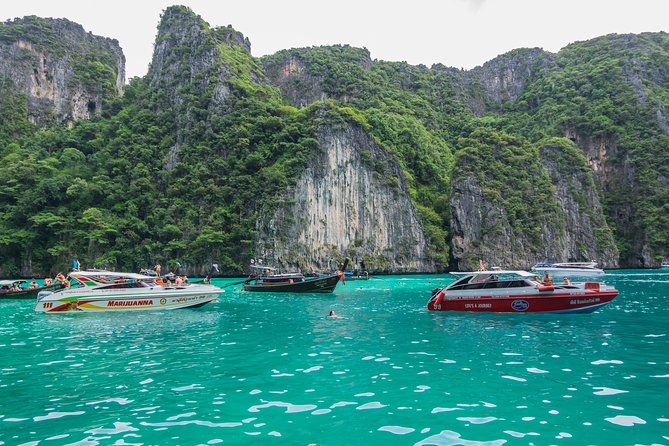
Choose Phuket with the details in view.
Compare the crossing, the pickup, the water time and the real inclusions before committing to Phi Phi, Phang Nga, an elephant encounter or a night in Patong.
Start with the trips travellers rate best.
Strong review volume matters, but so do route, pickup and pace. This shortlist balances all four, from early boats toward Maya Bay to quieter limestone-water days in Phang Nga.
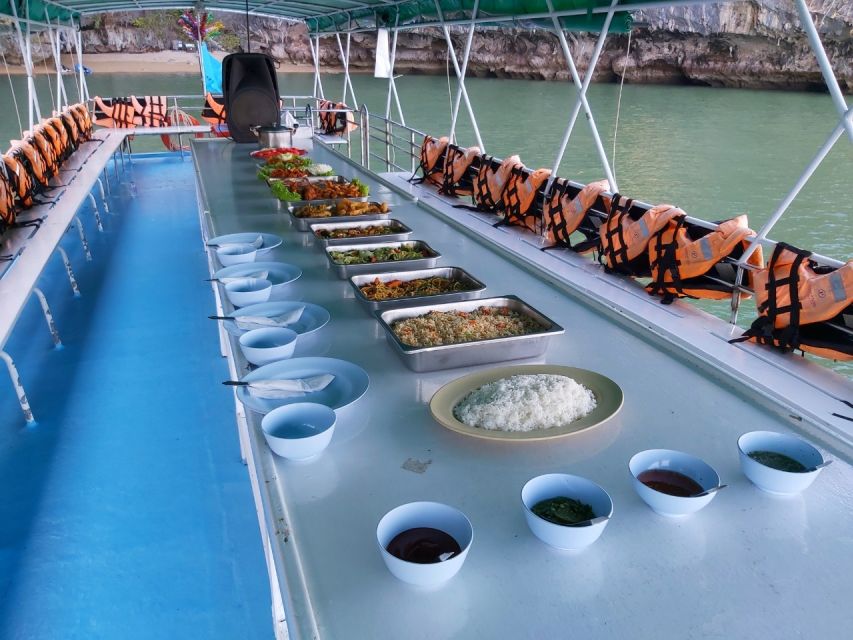
Phang Nga Bay and Canoeing Tour by Big Boat
Big-boat Phang Nga Bay and canoe tour from Phuket with Panak and Hong islands, James Bond stops, buffet lunch, and cave paddling.
From $53 per person
Read the review → ★ 4.8Top reviewedParadise Trip ATV Jungle AdventureFrom $323,250 reviews
 ★ 4.4Quick to fillPhi Phi Islands and Maya Bay Day Trip with LunchFrom $343,204 reviews
 ★ 5.0Good first choicePhuket Thai Cooking Class with Market Tour OptionFrom $652,665 reviews
 ★ 4.6Strong valueYONA Floating Beach Club Day ExperienceFrom $642,652 reviews
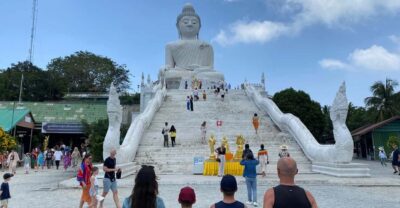 ★ 4.7Smaller groupGuided Tour of Phuket City with Hotel TransfersFrom $382,527 reviews
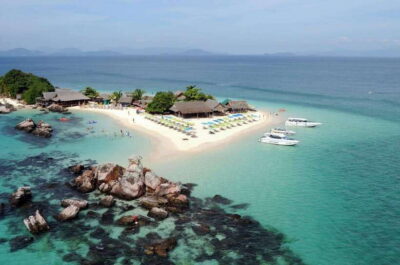 ★ 4.2Reader favourite3 Khai Islands Relax & Snorkeling Half/Full Day TourFrom $242,379 reviews
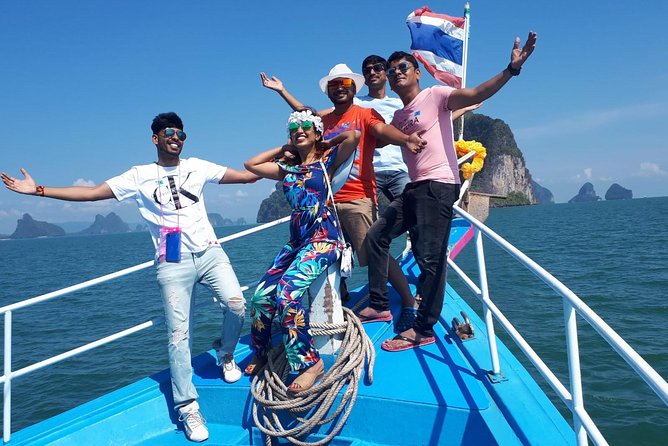
Phang Nga rewards the right boat and timing.
The best routes combine limestone towers, a canoe passage into a hong, Ko Panyi and James Bond Island without making every stop feel rushed. Compare pier location, canoe time and boat size before the headline landmarks.
How far do you want to go?
A famous bay, a closer beach circuit and a remote seasonal run are not interchangeable. Compare the transfer, sea time and pace first, then choose the island name.
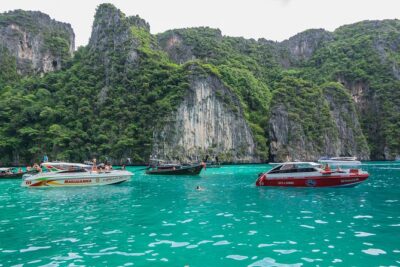 The famous one
Phi Phi & Maya Bay
from $91 · 3,295 reviews
This is the celebrated route, with Maya Bay, limestone walls and snorkel stops. Departure time has an outsized effect on the experience, so compare pier, boat size and the order of stops.
See the Phi Phi trips →
Closest to shore
Coral, Racha & Khai
4 - 8 hours · from $24 · 2,379 reviews
These closer islands usually mean less transfer time and more flexibility. Racha suits clearer-water days, while Coral and Khai work well when a half-day format matters more than distance.
See the island trips →
The famous one
Phi Phi & Maya Bay
from $91 · 3,295 reviews
This is the celebrated route, with Maya Bay, limestone walls and snorkel stops. Departure time has an outsized effect on the experience, so compare pier, boat size and the order of stops.
See the Phi Phi trips →
Closest to shore
Coral, Racha & Khai
4 - 8 hours · from $24 · 2,379 reviews
These closer islands usually mean less transfer time and more flexibility. Racha suits clearer-water days, while Coral and Khai work well when a half-day format matters more than distance.
See the island trips →
 Nov to May only
Similan & Surin
from $94 · 86 reviews
The Similan and Surin routes ask for an early start and a longer transfer, but reward it with more remote water. Check the operating season, pickup geography and actual time at the islands.
See the Similan trips →
Nov to May only
Similan & Surin
from $94 · 86 reviews
The Similan and Surin routes ask for an early start and a longer transfer, but reward it with more remote water. Check the operating season, pickup geography and actual time at the islands.
See the Similan trips →
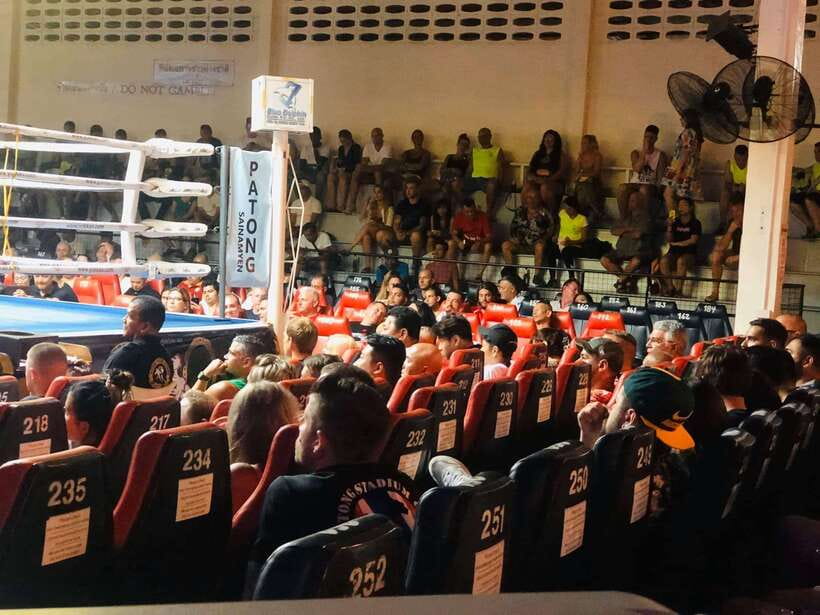
Phuket evenings split in several directions.
A Muay Thai card, a polished cabaret, Bangla Road and a twilight plankton trip each suit a different night. Review seat class, transfers, start time and finish before booking around dinner.
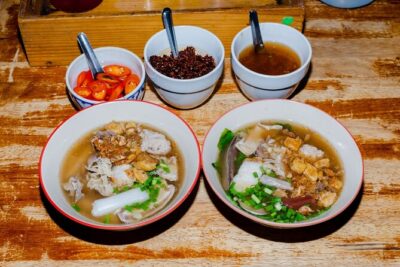
Food tours should explain more than the menu.
A useful route connects southern Thai flavours, Peranakan influence, market ingredients and the people cooking them. Compare tasting volume, walking time and whether the experience includes a hands-on class.


The island has an active interior.
ATVs, canopy lines and rafting packages vary sharply in active time and transfer time. Check the route, safety equipment and whether a combo itinerary gives each activity enough room.



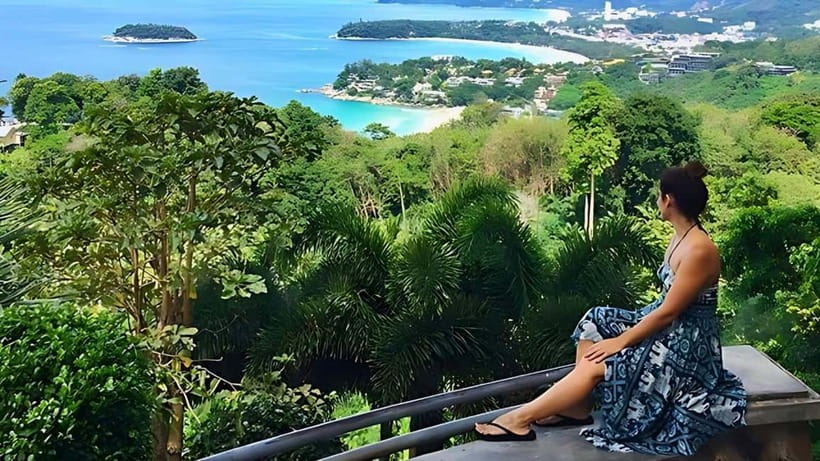
Old Town changes the scale of the trip.
Thalang Road, Wat Chalong, viewpoints and the island’s layered trading history deserve a guide who can connect them. Compare walking, driving and private formats by the time spent outside the vehicle.
Place names are only the first filter.
Phi Phi brings the landmark bays, Phang Nga the hongs and karsts, and the Similans a longer seasonal journey. Old Town offers a land day when the sea forecast says otherwise.
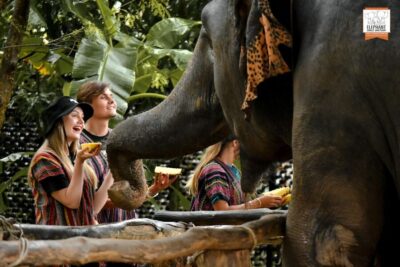

Water, jungle or temple day?
Choose by pace and setting: a snorkel morning, a jungle combination, a food-led walk or a temple and viewpoint circuit. Each list keeps inclusions and review evidence beside the option.

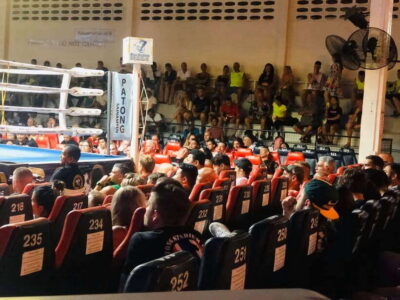


Budget the transfer before the view.
Phi Phi, Phang Nga, the Similans and Khao Sok all stretch beyond a simple beach outing. A better comparison starts with hotel pickup and travel time, then looks at how many stops remain once you arrive.
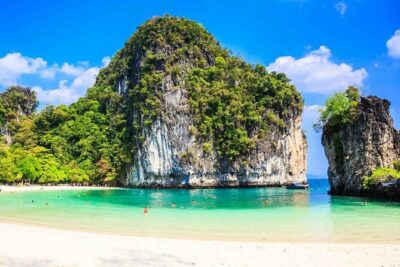
A balanced first three days.
Alternate land and water so one rough forecast does not undo the plan. Old Town gives context, an island route supplies the big seascape, and Phang Nga or an ethical elephant visit rounds out the trip.
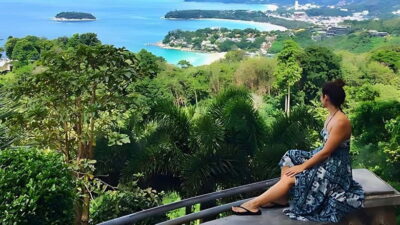 Day 1
Old Town and the island viewpoints
Begin with the streets, temples and viewpoints that explain Phuket beyond the resorts. Leave the evening open for a market or an early night before the boat day.
Plan day one →
Day 2
A route matched to the sea
Choose Phi Phi for the landmark bays or Racha and Coral for a shorter crossing. Confirm the pier and pickup time before planning anything after the return.
Plan day two →
Day 1
Old Town and the island viewpoints
Begin with the streets, temples and viewpoints that explain Phuket beyond the resorts. Leave the evening open for a market or an early night before the boat day.
Plan day one →
Day 2
A route matched to the sea
Choose Phi Phi for the landmark bays or Racha and Coral for a shorter crossing. Confirm the pier and pickup time before planning anything after the return.
Plan day two →
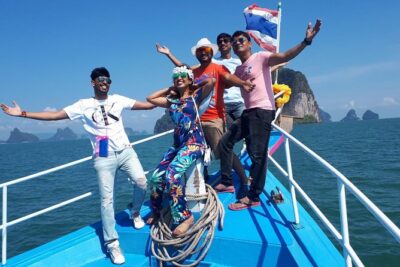 Day 3
Karsts or an ethical elephant visit
Use the forecast to choose a canoe-led Phang Nga route or a carefully selected elephant encounter on land. Both deserve more than a rushed combination package.
Plan day three →
Day 3
Karsts or an ethical elephant visit
Use the forecast to choose a canoe-led Phang Nga route or a carefully selected elephant encounter on land. Both deserve more than a rushed combination package.
Plan day three →
Latest Phuket Tour Reviews
 ★ 3.5Coral Island by Speed boat from PhuketFrom $513 reviews
Let’s Relax Phuket Beyond Resort PatongFrom $223 reviews
★ 3.5Coral Island by Speed boat from PhuketFrom $513 reviews
Let’s Relax Phuket Beyond Resort PatongFrom $223 reviews
 ★ 4.5Sunset Beach Horseback Ride PhuketFrom $893 reviews
 ★ 3.0Snorkeling Tour to Coral & Maiton & Racha Island from PhuketFrom $543 reviews
Surin Islands One Day Tour All Exclusive by Power CatamaranFrom $903 reviews
★ 3.0Snorkeling Tour to Coral & Maiton & Racha Island from PhuketFrom $543 reviews
Surin Islands One Day Tour All Exclusive by Power CatamaranFrom $903 reviews
 ★ 3.5Phi Phi, Maya, Khai and Pileh Day Trip by Speed Catamaran From PhuketFrom $1013 reviews
 ★ 5.0Phi Phi, Maya and Bamboo Islands Full Day VisitFrom $1593 reviews